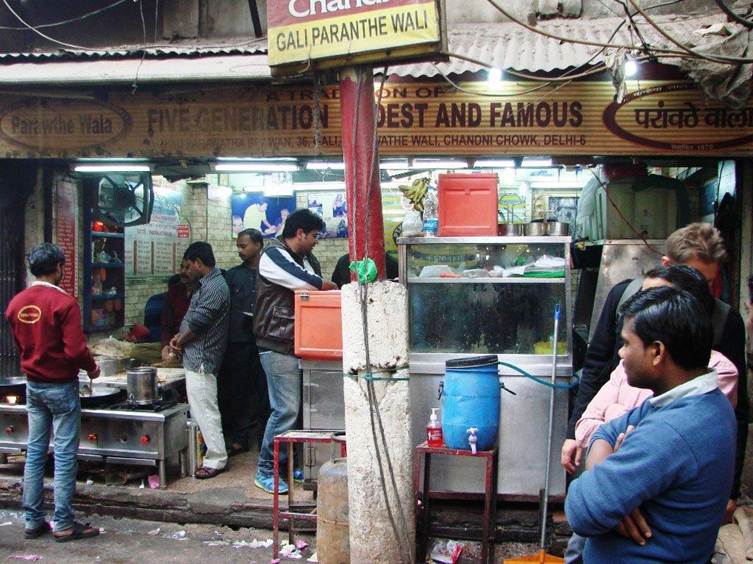
Paranthe Wali Gali in Chandni Chowk area of Old Delhi is a narrow lane that’s become legendary for serving some of India’s best stuffed flatbreads for over a century. This guide is perfect for food lovers, travellers exploring Delhi, and anyone curious about Indian street food culture.
We’ll also walk you through the most popular parantha varieties you absolutely need to try, from classic aloo to unique stuffed options you won’t find anywhere else. Plus, you’ll get insider tips on how to navigate your visit like a local and make the most of this unforgettable food experience.
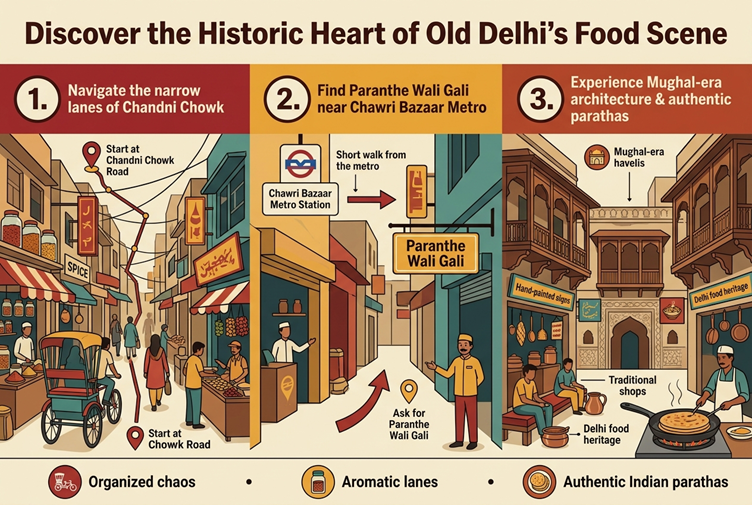
Navigate the narrow lanes of Chandni Chowk to find this culinary gem
Tucked away in the bustling maze of Chandni Chowk, Paranthe Wali Gali remains one of the capital’s best-kept secrets despite its legendary status. This narrow lane, barely wide enough for two people to walk side by side, sits off the main Chandni Chowk road near the Sis Ganj Gurudwara. The entrance is easy to miss if you’re not looking carefully – a small archway that opens into what feels like stepping back in time.
The street extends for about 100 meters, lined with tiny shops that have been serving for generations. Each morning, shopkeepers roll up their shutters to reveal the same wooden counters and brass utensils that their grandfathers used. The lane buzzes with the sounds of sizzling ghee, vendors calling out their specialties, and the constant chatter of locals and tourists alike.
What makes this Old Delhi culinary experience truly special is how little has changed. The same families who started these businesses generations ago continue to run them today. The recipes remain unchanged, passed down verbally from father to son. Even the cooking methods stay true to tradition – no modern equipment, just skilled hands and time-tested techniques that create the perfect golden, flaky paranthas.
The narrow confines of the lane create an intimate atmosphere where strangers become friends over shared plates of hot paranthas. This communal dining experience reflects the true spirit of Delhi’s street food culture, where food brings people together.
Witness traditional cooking methods passed down through generations
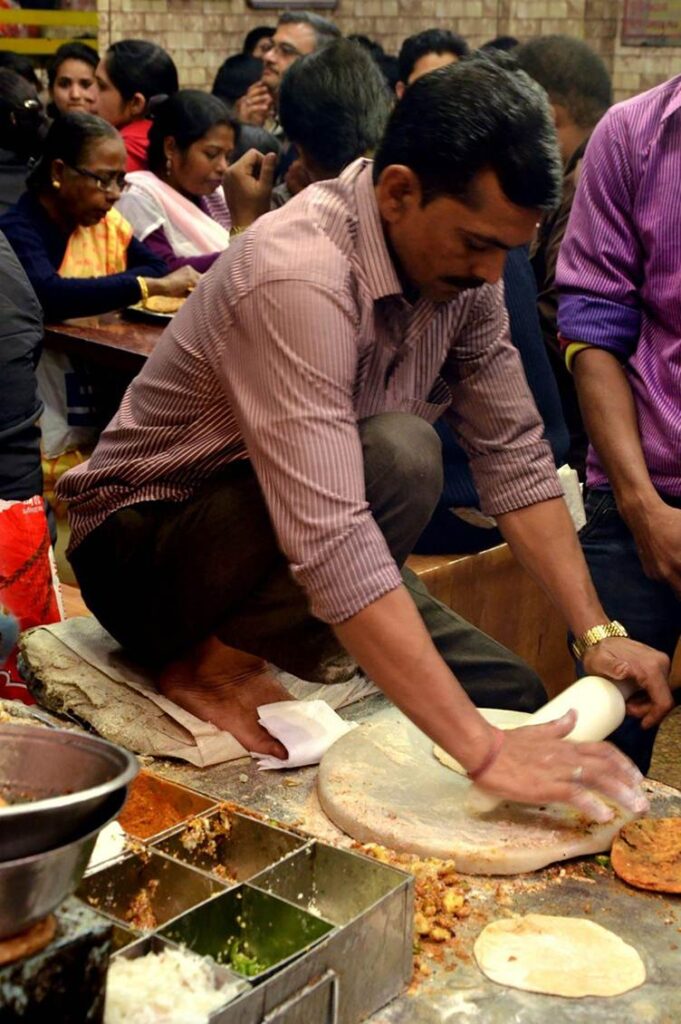
The magic here lies not just in its food but in watching the ancient art of parantha making unfold before your eyes. Each shop operates like a well-oiled machine, with family members taking on specialized roles that they’ve perfected over years of practice.
The process begins early in the morning with preparing the dough – a mixture of wheat flour, water, salt, and a touch of ghee. The dough is kneaded by hand until it reaches the perfect consistency, neither too soft nor too firm. This crucial step determines the final texture of the paranthas, and experienced cooks can tell just by touch when the dough is ready.
The real artistry comes alive during the rolling and stuffing process. Skilled cooks work with lightning speed, rolling out thin circles of dough, adding generous portions of filling, and then expertly sealing and rolling again to create perfectly round paranthas. The varieties seem endless – potato, cauliflower, radish, paneer, and dozens of innovative combinations that showcase the creativity passed down through generations.
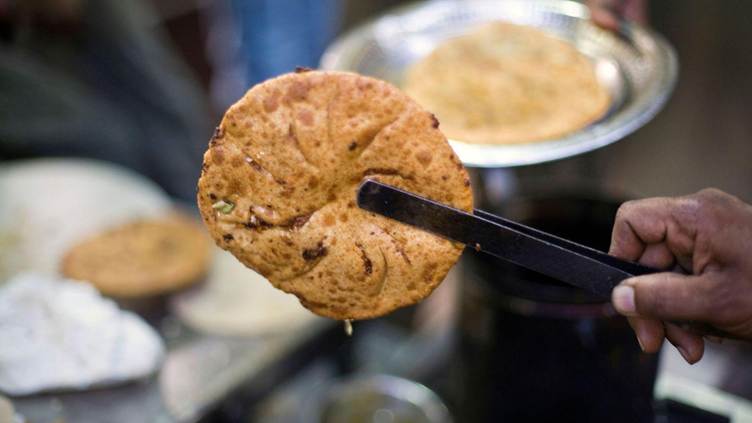
The paranthas are deep fried in generous amounts of pure desi ghee, creating those characteristic crispy edges and flaky layers that make each bite a celebration of flavour and texture.
Learn about different types of stuffed paranthas available
The charm lies in its incredible variety of stuffed paranthas that have been perfected over generations. You’ll find classics like aloo (potato), gobi (cauliflower), and paneer (cottage cheese) alongside more adventurous options like rabri, kheer, and even chocolate paranthas for those with a sweet tooth.
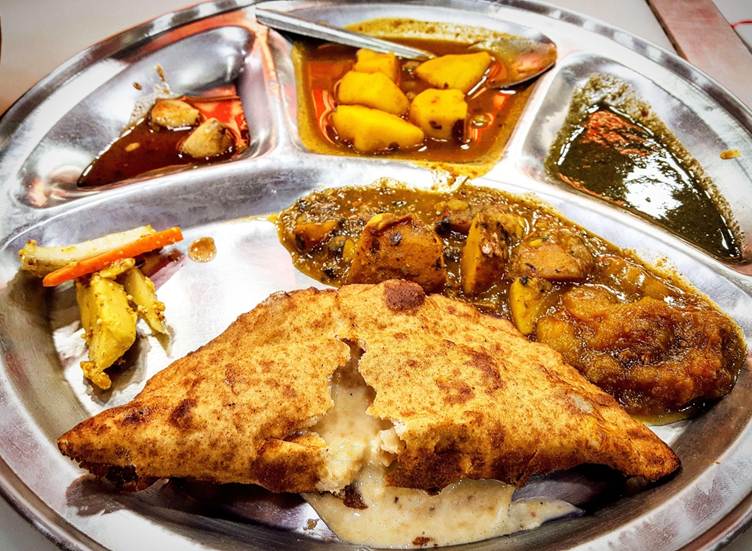
Savor the classic aloo parantha with perfectly spiced potato filling
The aloo parantha stands as the undisputed king and for good reason. This golden-brown masterpiece features hand-mashed potatoes seasoned with cumin, coriander, red chili powder, and fresh ginger-garlic paste, all wrapped in buttery, flaky dough.
Try exotic options like rabri, kheer, Kela, Bhindi and papad paranthas
Beyond the classics, offerings include mind-bending sweet and savory combinations that challenge conventional thinking about paranthas. The rabri parantha transforms the beloved North Indian dessert into a breakfast delicacy, with thick, sweetened milk solids creating an unexpectedly delicious filling that caramelizes beautifully during cooking.
The papad parantha showcases pure creativity – crushed papads mixed with spices create a crunchy, salty filling that delivers incredible texture contrasts. Some vendors even offer mixed vegetable paranthas featuring everything from cauliflower bhindi, mirchi, kela, peas to paneer and onions, all seasoned with garam masala and fresh herbs.
Don’t miss the dal (lentil) paranthas, where spiced lentil paste creates a protein-rich filling that’s both nutritious and incredibly satisfying.
Navigate Your Visit Like a Local Expert
Early morning hours between 7:30 AM and 9:00 AM offer the perfect window for the adventure. Avoid weekends and festival periods if possible – the narrow lanes become uncomfortably packed and difficult to navigate
Locate the most authentic shops recommended by food enthusiasts
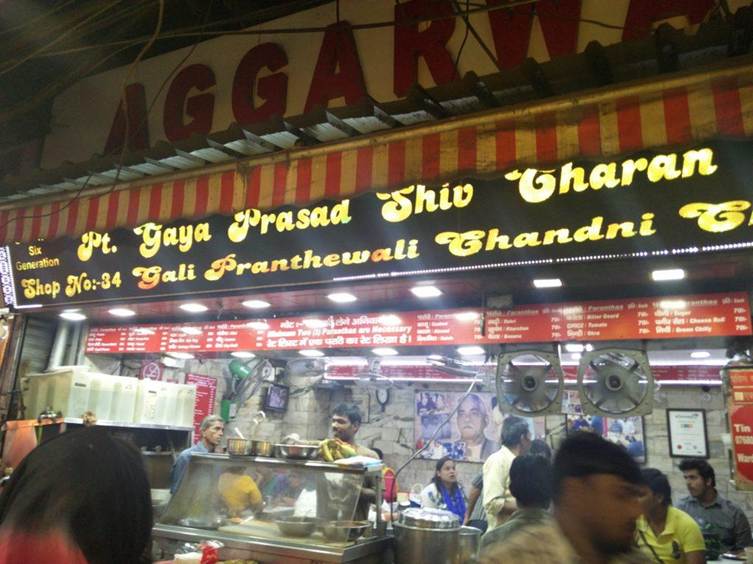
Pt. Gaya Prasad Shiv Charan, Babu Ram and Kanhaiya Lal Durga Prasad stands as the most legendary establishments.
Budget effectively for a complete culinary experience
A complete experience costs anywhere between ₹150-300 per person. Individual paranthas range from ₹80-150 depending on the filling complexity. Premium varieties like dry fruit or rabri paranthas command higher prices but offer unique taste experiences.
Use public transportation to reach the area conveniently
The nearest metro station is Chawri Bazar on the Yellow Line, approximately 800 meters from Paranthe Wali Gali. Exit from Gate 4 and follow the signs toward Chandni Chowk – the walk takes 8-10 minutes through bustling markets.
Chandni Chowk metro station (Yellow Line) offers another route, though slightly longer at 1.2 kilometres. This route provides better orientation for first-time visitors, passing through the main Chandni Chowk market before reaching the lane.
Cool your palate with refreshing lassi and buttermilk
The intense flavours and spices of traditional Delhi street food call for cooling beverages that soothe the palate and aid digestion. Sweet lassi reigns supreme as the perfect companion to spicy paranthas, with its creamy yogurt base providing immediate relief from heat while complementing the rich textures.
Fresh buttermilk, known locally as chaas, offers a lighter alternative that many locals prefer during warmer months. Seasoned with roasted cumin powder, black salt, and fresh mint, this probiotic drink helps with digestion while refreshing your taste buds.
Mango lassi becomes a seasonal favourite during summer months, combining the cooling properties of yogurt with the tropical sweetness of ripe mangoes.
Final Bite
Paranthe Wali Gali stands as one of Delhi’s most treasured food destinations, where generations of families have perfected the art of making incredible paranthas. This narrow lane in Old Delhi offers more than just food – it’s a journey through history, culture, and flavours that you simply can’t find anywhere else. So next time you’re in Delhi, make sure to set aside a few hours to explore this culinary gem – your taste buds will thank you for discovering one of India’s great food experience.