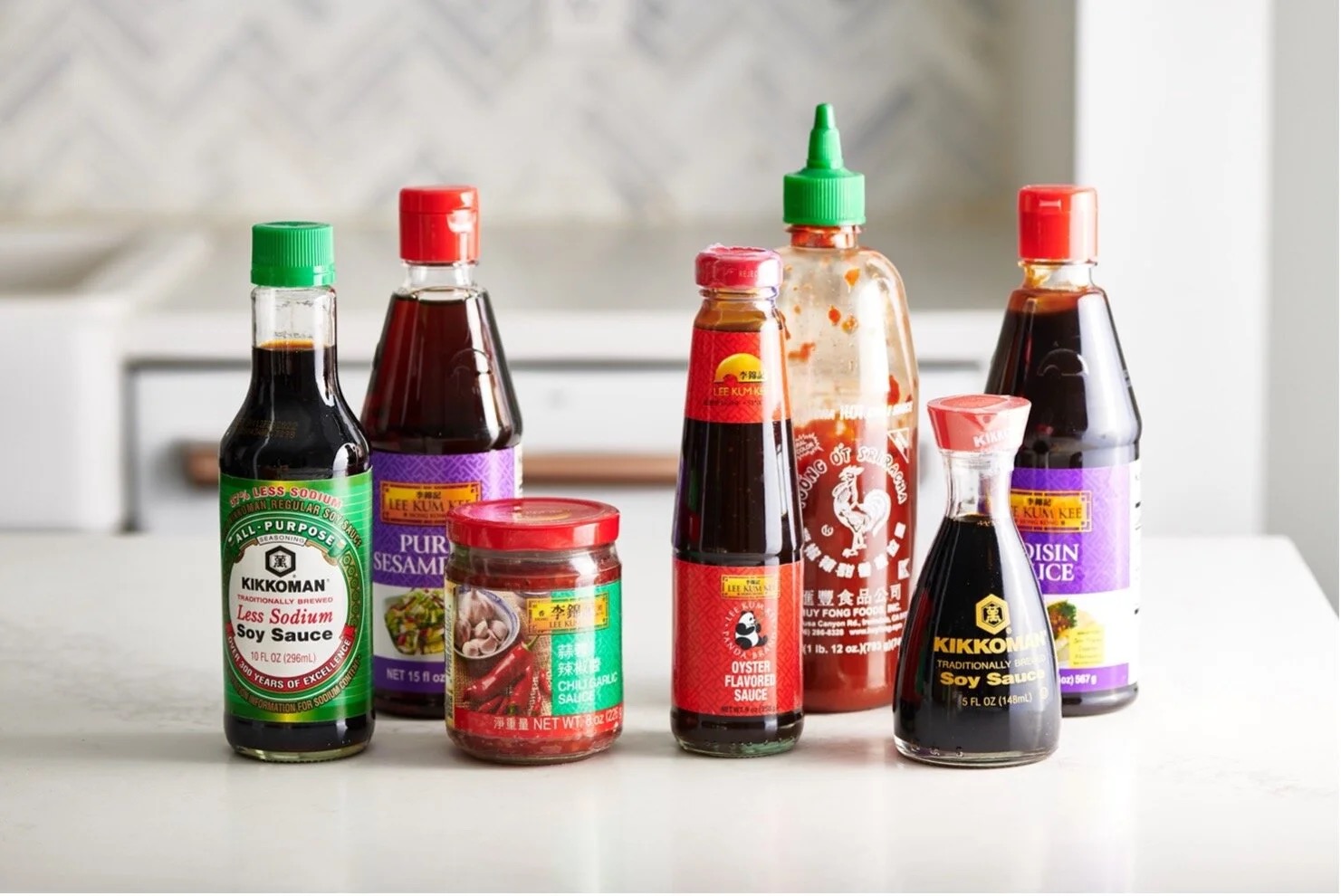
Walk into the “Asian foods” aisle of any supermarket and it feels like entering a maze.
Rows of soy sauces. Five different vinegars. Oyster sauce, fish sauce, hoisin sauce, black bean sauce, chilli oils, curry pastes—and suddenly you’re standing there holding a bottle with a label you can’t read, wondering if you actually need it.
The truth? You do not need 40 different sauces to cook incredible Asian food at home.
You just need the right essentials.
This guide will help you build a practical Asian pantry that works for everyday home cooking—whether you’re making stir-fries, noodles, curries, dumplings, fried rice, ramen, or experimenting with regional cuisines from China, Japan, Korea, Thailand, Vietnam, and beyond.
And yes—I’ll also tell you what’s worth skipping.
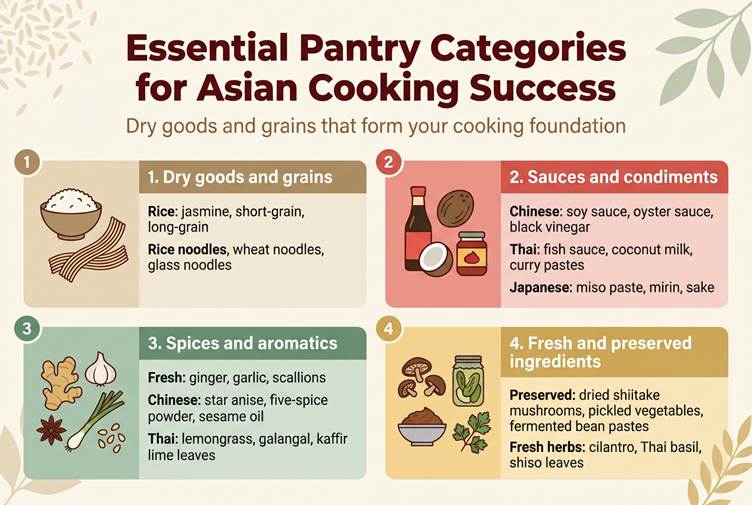
Most people think Asian cooking is “complicated” because ingredient lists look intimidating.
But once you understand the pantry staples, you’ll notice something interesting:
The same 10–15 ingredients can create hundreds of dishes.
Soy sauce can become fried rice, dumpling dipping sauce, marinades, noodle dishes, and braises.
Rice vinegar works in salad dressings, sushi rice, pickles, and dipping sauces.
Sesame oil can transform even plain noodles into something deeply aromatic.
A well-stocked pantry saves money, prevents impulse purchases, and makes weeknight cooking significantly easier.
Pantry Tier 1: The Absolute Essentials
These are your non-negotiables.
If you buy only these ingredients, you can already cook dozens of dishes.
1. Light Soy Sauce
This is your everyday workhorse.
Use it for:
- Stir-fries
- Marinades
- Fried rice
- Noodle dishes
- Dipping sauces
Look for naturally brewed versions rather than chemically hydrolysed ones.
Best brands in India: Kikkoman, Lee Kum Kee, Pearl River Bridge
2. Dark Soy Sauce
Thicker, slightly sweeter, and mainly used for colour.
Perfect for:
- Hakka noodles
- Braised meats
- Fried rice
- Chinese gravies
Use sparingly—this isn’t your everyday soy sauce.
3. Rice Vinegar
Adds brightness and balance.
Use it for:
- Sushi rice
- Pickled vegetables
- Salad dressings
- Dipping sauces
Best brands in India: Blue Elephant, Noriko, Qin Pagoda
Substitute: white vinegar (in emergencies only)
4. Toasted Sesame Oil
Think of this as a finishing oil, not a cooking oil.
A few drops can elevate:
- Noodles
- Soups
- Dumpling sauces
- Stir-fries
Too much can overpower dishes.
Best brands in India: Lee Kum Kee, Meishi
5. Oyster Sauce
The secret weapon behind restaurant-style stir-fries.
It adds:
- Sweetness
- Saltiness
- Umami depth
Great for vegetables, chicken, tofu, and noodles.
Best brands in India: Lee Kum Kee, Meishi, Kikkoman
6. Chilli Oil / Chilli Crisp
For heat lovers.
Lao Gan Ma remains a cult favourite for good reason.
Use it on:
- Dumplings
- Eggs
- Noodles
- Rice bowls
Basically everything.
Other popular brands in India: Ramano’s, Small Batch
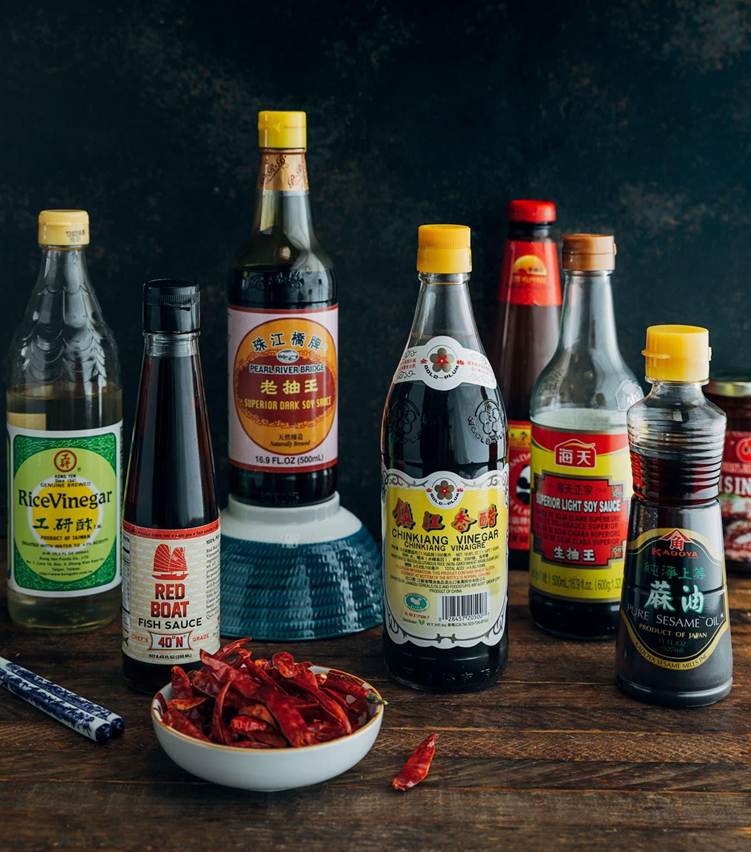
Pantry Tier 2: Level Up Ingredients
Once you’re comfortable, add these.
- Shaoxing Wine
If soy sauce is the backbone of Chinese cooking, Shaoxing wine is often the quiet supporting actor that makes everything taste more complete.
This traditional Chinese rice wine adds subtle sweetness, depth, and that unmistakable “restaurant-style” flavour people often can’t quite identify in dishes like:
- Fried rice
- Stir-fried noodles
- Kung Pao chicken
- Dumpling fillings
- Braised meats
- Chinese sauces and gravies
It helps remove any raw smell from meat marinades while adding complexity that plain vinegar or cooking wine substitutes simply can’t replicate.
A splash of Shaoxing wine can completely change your fried rice or stir-fry game.
Popular brands: Pagoda, Leng Heng
- Fish Sauce
Essential in Thai and Vietnamese cooking.
Adds intense savoury depth to:
- Curries
- Stir-fries
- Dipping sauces
- Soups
Popular brands: Squid Brand, Tiparos
- Miso Paste
Fermented soybean paste used in Japanese cooking.
Great for:
- Miso soup
- Marinades
- Salad dressings
- Glazes
Popular brands: Hiraki, Flavoma
- Gochujang
Korean fermented chilli paste.
Sweet, spicy, savoury.
Perfect for:
- Korean fried chicken
- Marinades
- Stews
- Bibimbap sauces
Popular brands: Daesang, Moi Soi
- Coconut Milk
Coconut milk
Essential for Thai curries and Southeast Asian desserts.
- Curry Pastes
Thai curry paste
Red, green, and yellow curry pastes save time and deliver serious flavour.
Popular brands: Namjai, Blue Elephant
Dry Pantry Essentials
These last long and deserve space in your kitchen.
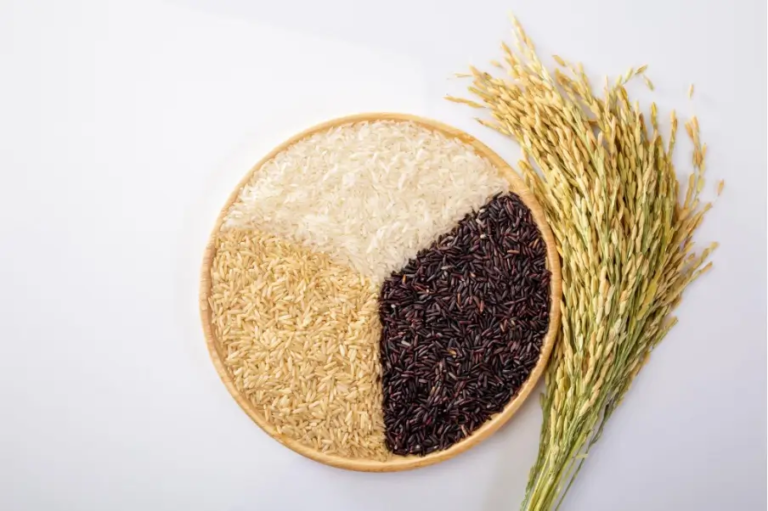
Rice
Jasmine rice
Sticky rice
Sushi rice
Start with jasmine rice if you’re a beginner.
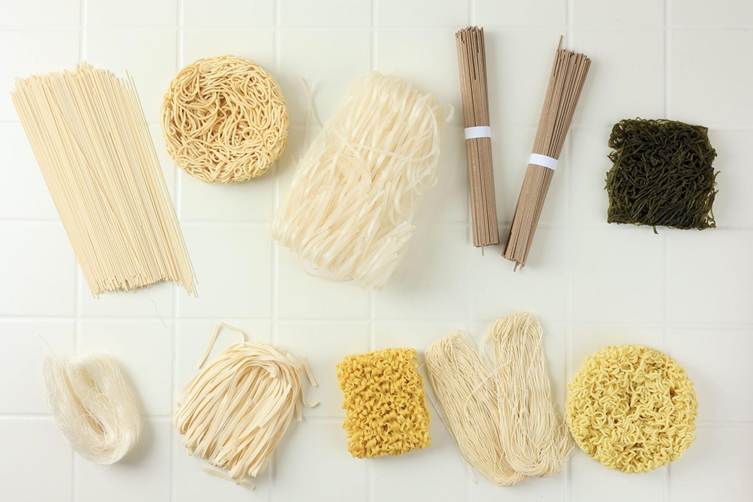
Noodles
Rice noodles
Ramen
Udon
Soba
Choose based on what cuisine you cook most often.
Freezer Staples
- Frozen dumpling wrappers
- Edamame
- Frozen dumplings
- Spring roll wrappers
Fresh Ingredients You Should Always Have
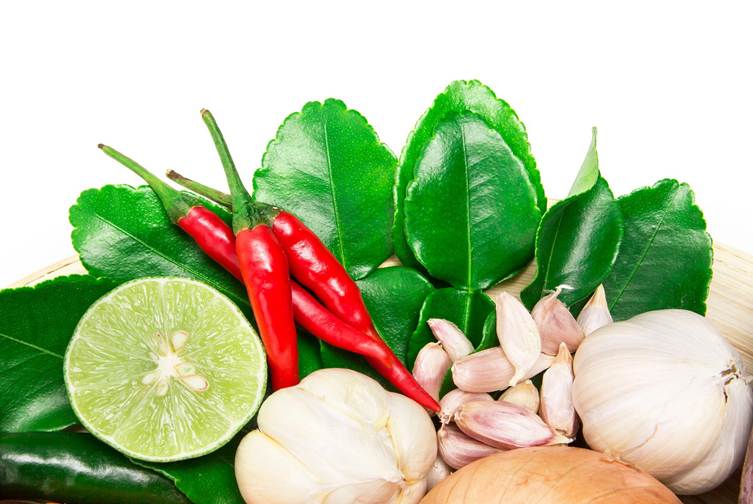
- Garlic
- Ginger
- Spring onions
- Bird’s Eye Chilli
- Mushrooms – button, shiitake, oyster, enoki, straw
- Kaffir lime leaves
- Galangal
- Lemongrass
These ingredients appear repeatedly across multiple Asian cuisines.
What You Don’t Need Right Away
This is where people waste money.
Skip buying these unless you specifically need them:
- Five spice powder
- Black bean paste
- Bonito flakes
- Tamarind concentrate
- Specialty seaweeds
- Mirin
- Sake
- Rare mushroom varieties
Buy these only when recipes demand them.
Where to Buy Asian Pantry Ingredients in India
Finding ingredients is far easier now thanks to online marketplaces and specialty stores.
Check:
- Amazon India
- Big Basket
- Nature’s Basket
- Local Asian grocery stores in cities like Mumbai, Delhi, and Bengaluru
My Biggest Asian Pantry Mistake
I once bought an expensive bottle of truffle-infused soy sauce because it sounded fancy.
It tasted like confusion.
For months it sat in my pantry judging me.
That experience taught me something important:
A great pantry isn’t built by buying more.
It’s built by understanding ingredients deeply.
That’s where real cooking confidence comes from.
Final Thoughts
Building an Asian pantry should feel exciting—not overwhelming.
Start small.
Master a few ingredients.
Cook often.
Then expand based on what you genuinely enjoy eating.
And remember: the goal isn’t to recreate a supermarket shelf at home.
It’s to build a pantry that helps you cook food you’ll actually crave.
At The Curious Wok, that’s what we care about most—making Asian cooking feel approachable, exciting, and deeply delicious.