Rice seems simple at first glance.
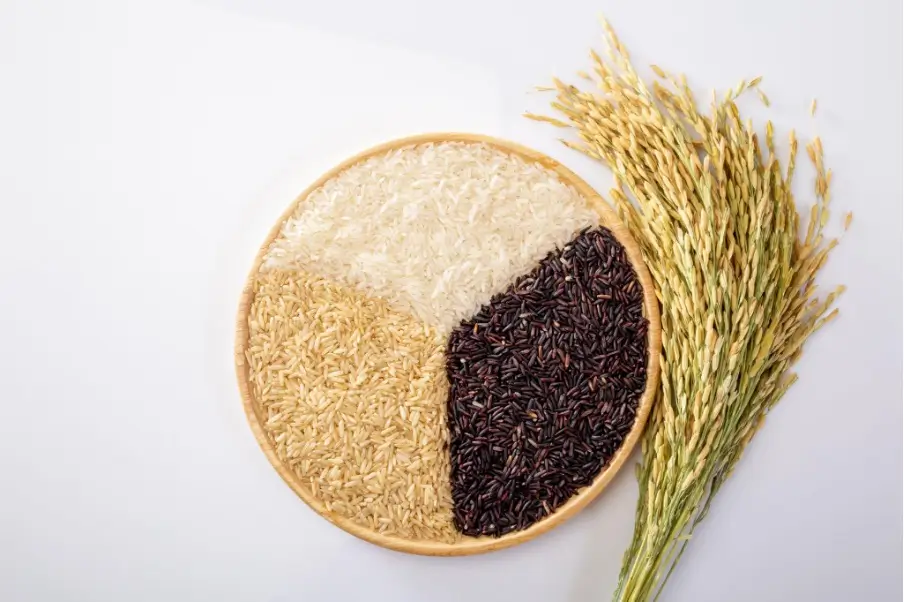
Rice. Water. Heat. Patience.
But every variety behaves differently once it hits the pot.
Some rice is meant to stay light and separate.
Some should be soft and gently sticky.
Some need soaking before cooking.
Others rely entirely on steam and timing.
And a few can go from perfect to ruined with just a little too much water.
Learning how rice actually cooks is one of the most useful kitchen skills you can develop — especially if you love Asian food, curries, stir-fries, rice bowls, or comforting home meals.
This guide breaks down how to cook the world’s most popular rice varieties perfectly using:
- A stovetop
- A rice cooker
Consistently. Reliably. Every single time.
First: The 3 Golden Rules of Cooking Rice
1. Rinse Most Rice
One of the simplest ways to improve your rice instantly is to rinse it before cooking.
Raw rice carries excess surface starch, and if that starch stays on the grain, it can lead to:
- Sticky texture
- Clumping
- Uneven cooking
- Gummy rice
Rinse the rice under cold water, gently swirling it with your hands, until the water turns mostly clear.
The goal isn’t perfection — just removing the excess starch coating the grains.
Exceptions: Rice You Shouldn’t Rinse Aggressively
Some rice varieties depend on their starch for texture and creaminess.
Avoid heavily rinsing:
- Arborio (Risotto rice)
- Bomba (Paella rice)
- Rice labelled “Enriched” rice in some countries
These types are meant to release starch while cooking, which creates their signature texture and consistency.
2. Water Ratios Matter More Than Cooking Time
Most bad rice isn’t caused by poor technique.
It’s caused by the wrong amount of water.
Even perfectly timed rice can fail if the ratio is off.
Too much water creates:
- Mushy texture
- Broken grains
- Sticky, overcooked rice
Too little water leads to:
- Hard centers
- Uneven cooking
- Dry or undercooked grains
Different rice varieties absorb water differently, which is why understanding ratios matters far more than memorizing cooking times alone.
3. Let the Rice Rest After Cooking
This is the step most people skip — and one of the most important.
Once the cooking time is over:
- Turn off the heat
- Keep the lid closed
- Let the rice rest for about 10 minutes
During this time, the trapped steam continues cooking the rice gently and evenly.
The result:
- Better texture
- More even moisture
- Fluffier grains
- Less clumping
Good rice doesn’t finish cooking when the heat turns off.
It finishes while resting.
1. Jasmine Rice
Soft, aromatic, lightly sticky
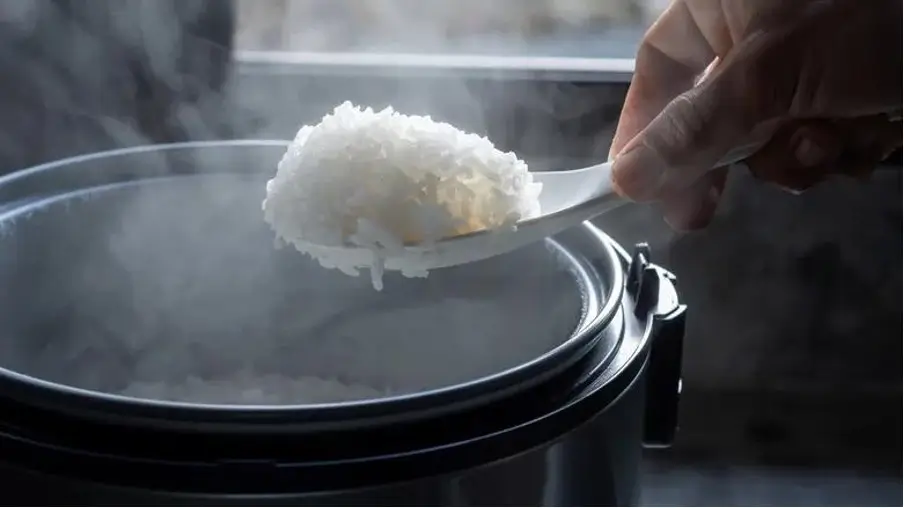
Jasmine rice is a staple across:
- Thai cuisine
- Southeast Asian kitchens
- Everyday Asian home cooking
When cooked properly, it should be:
- Tender and fluffy
- Fragrant
- Slightly clingy
- Moist without becoming mushy
The goal is soft, separate grains with just enough stickiness to hold together naturally.
Stovetop Method
Water Ratio
1 cup Jasmine rice : 1.75 cups water
Method
- Rinse the rice 2–3 times under cold water
- Add the rice and water to a pot
- Bring to a gentle boil
- Cover with a tight-fitting lid
- Reduce the heat to low
- Cook for 12 minutes
- Turn off the heat and let it rest for 10 minutes
- Fluff gently with a fork or rice paddle
Avoid stirring while the rice cooks, as this can release excess starch and make the texture gummy.
Rice Cooker Method
Water Ratio
1 cup Jasmine rice : 1 to 1.5 cups water
Rice cookers retain steam more efficiently than stovetop pots, so slightly less water usually produces a better texture.
Use:
- White rice setting
- A resting time of 5–10 minutes before opening the lid
That short resting period helps the moisture settle evenly through the grains, giving you softer and more balanced rice.
2. Basmati Rice
Long, elegant, and beautifully aromatic
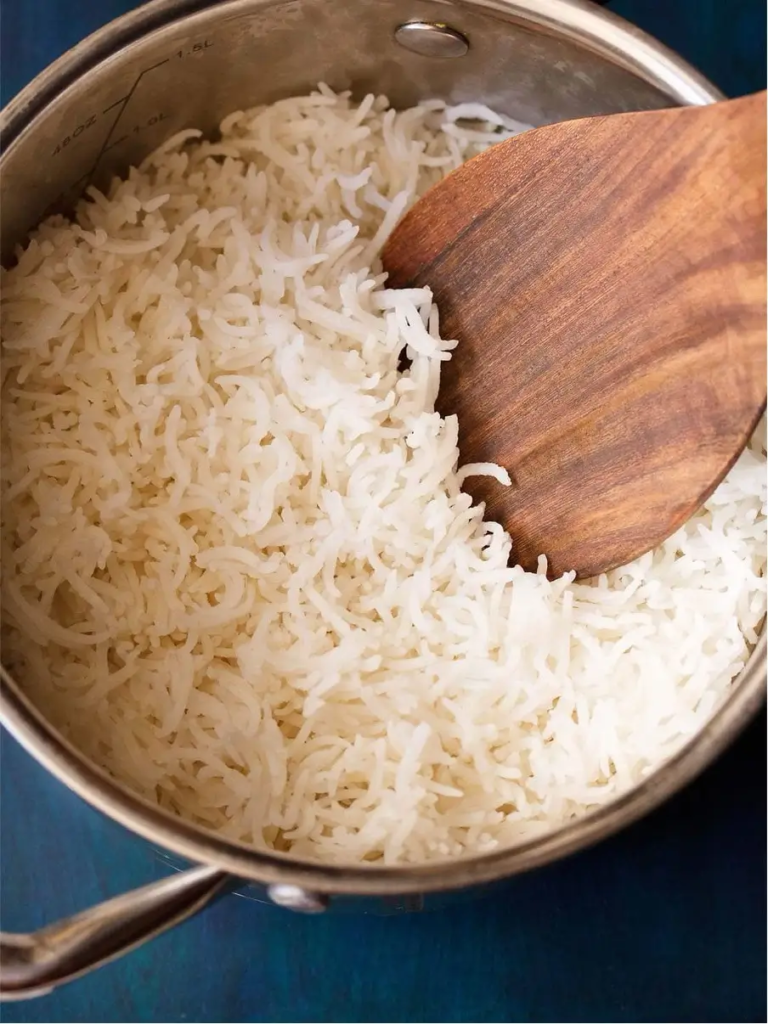
Basmati rice is prized for its delicate texture and elongated grains.
Unlike sticky rice varieties, properly cooked Basmati should always remain light and separate.
Perfect Basmati rice:
- Has distinct, fluffy grains
- Carries a nutty, floral aroma
- Feels light rather than dense or sticky
The grains should stretch and expand during cooking — not clump together.
The Secret to Better Basmati: Soaking
One of the most important steps in cooking Basmati rice is soaking it before cooking.
Soak the rice for 20–30 minutes after rinsing.
This helps:
- Lengthen the grains
- Promote more even cooking
- Reduce breakage during cooking
It’s a small step that makes a noticeable difference in both texture and appearance.
Stovetop Method
Water Ratio
1 cup Basmati rice : 1.75 cups water
Method
- Rinse the rice until the water runs mostly clear
- Soak for 20–30 minutes
- Drain the soaking water
- Add fresh water to the pot
- Bring to a boil
- Cover and reduce the heat to low
- Cook for 12–15 minutes
- Rest for 10 minutes before fluffing
Letting the rice rest is especially important with Basmati, as it allows the grains to firm up and separate naturally.
Rice Cooker Method
Water Ratio
1 cup Basmati rice : 1.5 cups water
Use the standard white rice setting.
For extra aroma and depth, you can add:
- Cardamom pods
- A bay leaf
- A small knob of butter or ghee
These subtle additions gently perfume the rice without overpowering its natural fragrance.
3. Japanese Short-Grain Rice
Sticky, glossy, and slightly chewy
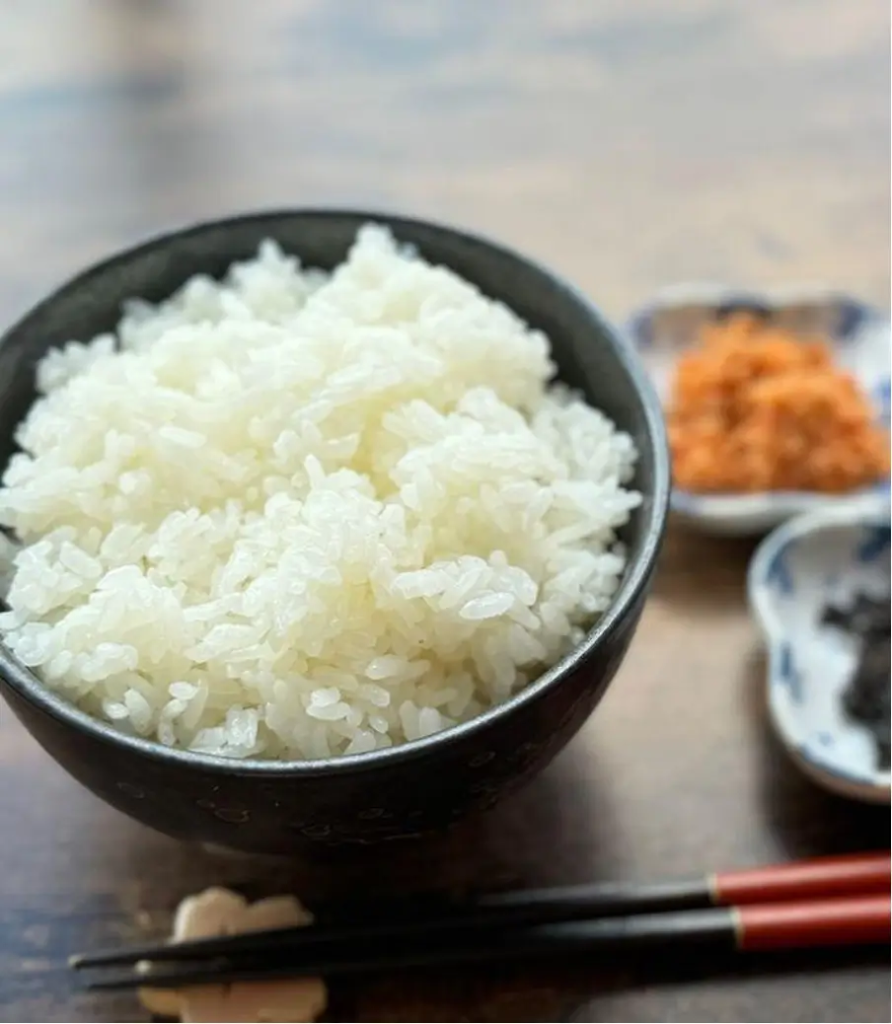
Japanese short-grain rice is designed to hold together gently when cooked.
Unlike long-grain rice varieties, this soft clingy texture is completely intentional — and essential to dishes like sushi, rice bowls, and everyday Japanese meals.
Perfect Japanese rice should be:
- Tender but structured
- Slightly sticky
- Moist and glossy
- Soft without becoming mushy
The grains should cling together naturally while still retaining their shape.
Stovetop Method
Water Ratio
1 cup Japanese short-grain rice : 1.1 cups water
Method
- Rinse the rice thoroughly until the water becomes nearly clear
- Soak the rice for 20 minutes
- Drain well
- Add fresh water
- Bring to a gentle boil
- Cover and cook over low heat for 12 minutes
- Turn off the heat and let it rest for 10 minutes
Avoid stirring the rice while it cooks, as this can damage the grains and release excess starch.
The resting stage is especially important for achieving the signature glossy texture.
Rice Cooker Method
If your rice cooker includes a:
- Sushi rice setting
- Short-grain rice setting
Use that mode for best results.
Water Ratio
1 cup rice : 1 cup water
Modern Japanese rice cookers are specifically calibrated for short-grain rice, using carefully controlled steaming cycles to achieve the ideal balance of softness, moisture, and stickiness.
4. Brown Rice
Nutty, hearty, and deeply satisfying
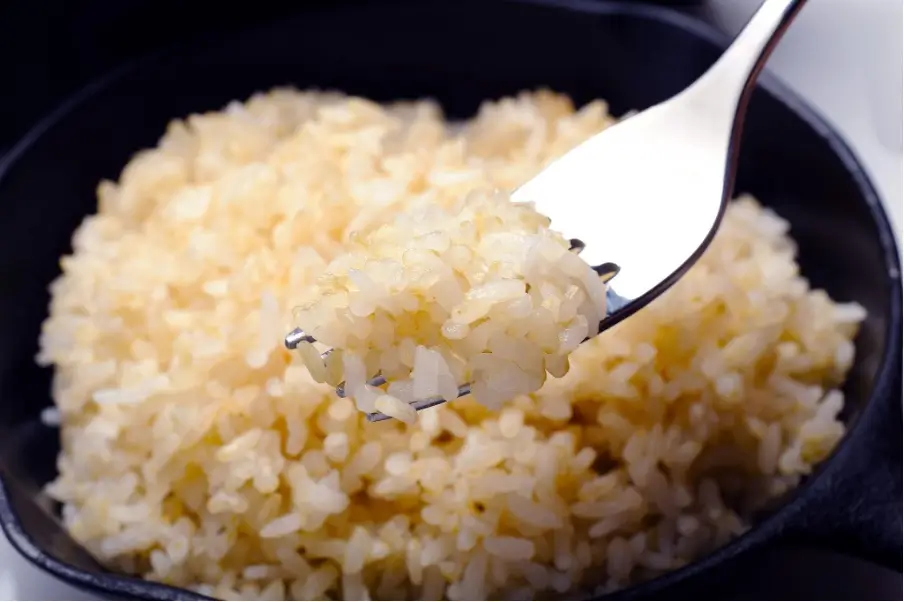
Brown rice retains its outer bran layer — the part removed from white rice during processing.
That extra layer gives Brown rice:
- More fiber
- More nutrients
- A firmer texture
- A longer cooking time
Because the bran acts as a protective barrier, Brown rice absorbs water more slowly and requires gentler, longer cooking.
Stovetop Method
Water Ratio
1 cup Brown rice : 2 cups water
Method
- Rinse the rice lightly under cold water
- Add the rice and water to a pot
- Bring to a boil
- Cover with a lid
- Reduce to a gentle simmer
- Cook for 25–30 minutes
- Let the rice rest for 10 minutes before fluffing
Brown rice should feel tender with a slight chew — never hard or crunchy in the center.
Rice Cooker Method
Water Ratio
1 cup Brown rice : 1.75 cups water
Use:
- Brown rice setting
Rice cookers work especially well for Brown rice because they use longer, controlled steaming cycles that cook the grains more evenly without drying them out.
5. Sushi Rice
Glossy, seasoned, and delicately balanced
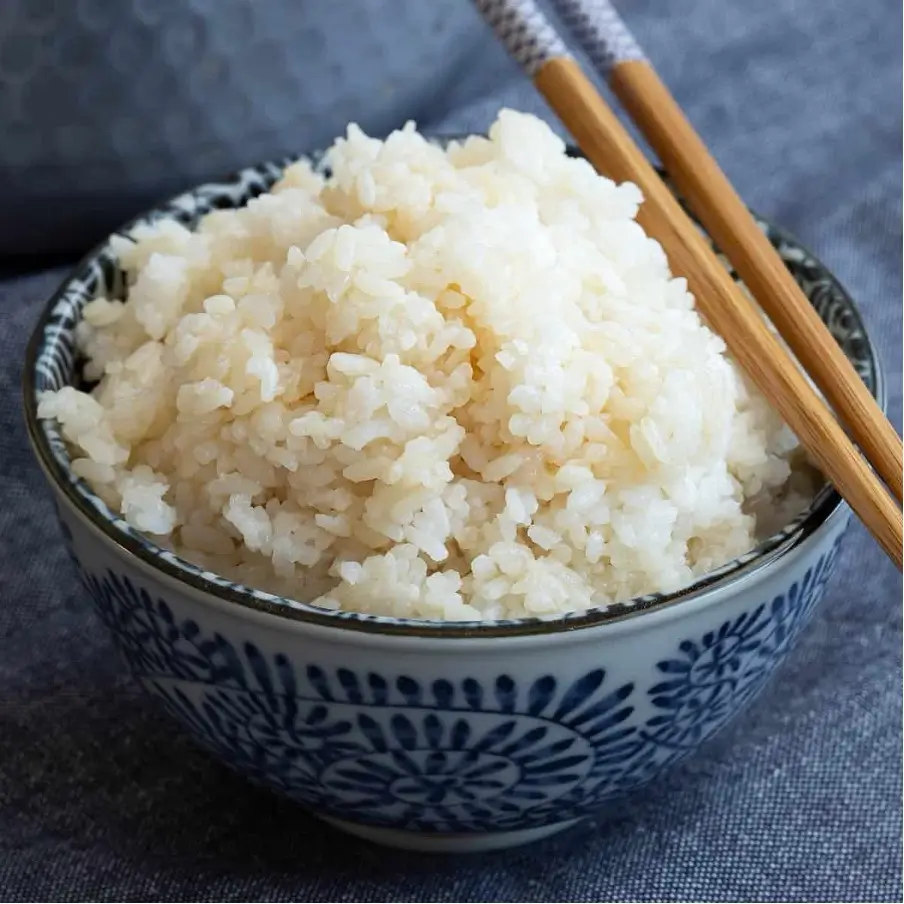
Sushi rice is less about the rice variety itself and more about how the cooked rice is seasoned.
Many people assume Sushi rice is a completely different type of rice, but it’s usually Japanese short-grain rice prepared with a seasoned vinegar mixture.
Traditional Sushi rice is flavoured with:
- Rice vinegar
- Sugar
- Salt
The result is rice that tastes lightly tangy, subtly sweet, and perfectly balanced.
Cook the Rice First
Prepare the rice using the same method as Japanese short-grain rice.
The texture should be:
- Soft
- Slightly sticky
- Moist and glossy
Then Season the Rice
For every 2 cups of cooked rice, combine:
- 2 tablespoons rice vinegar
- 1 tablespoon sugar
- 1 teaspoon salt
Gently fold the seasoning into the warm rice while it cools.
Avoid stirring aggressively or pressing the rice down, as this can crush the grains and turn the texture pasty.
Good Sushi rice should remain light, glossy, and delicately structured.
6. Wild Rice
Earthy, chewy, and deeply nutty in flavour
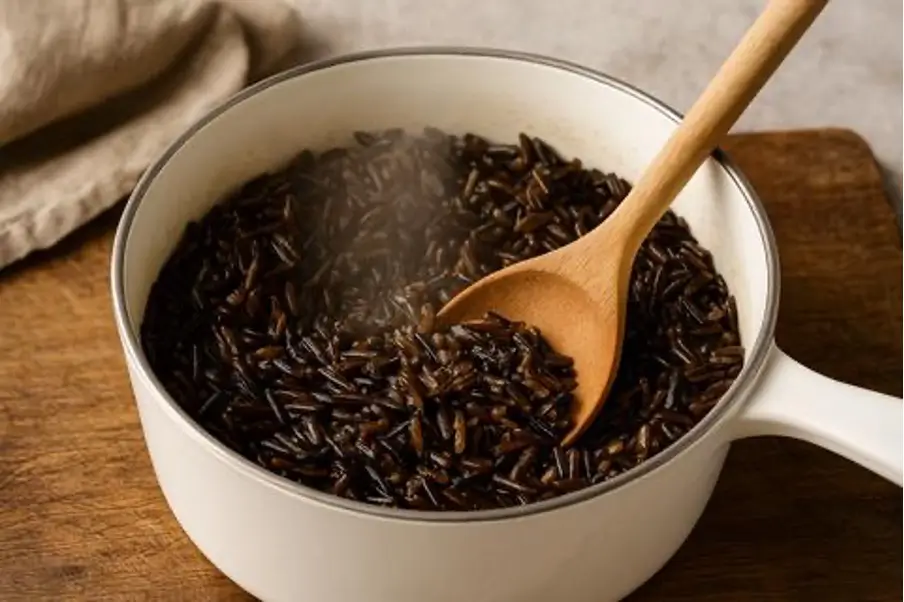
Wild rice has a bold texture that stands apart from most traditional rice varieties.
Interestingly, Wild rice isn’t technically rice at all — it’s the seed of an aquatic grass native to North America.
Because of this, it cooks very differently from true rice grains and requires more water and a longer cooking time.
When properly cooked, Wild rice should be:
- Tender with a pleasant chew
- Slightly firm
- Deeply aromatic
- Split open at the ends
Those split grains are a sign that the Wild rice is fully cooked.
Stovetop Method
Water Ratio
1 cup Wild rice : 3 cups water
Cooking Time
45–60 minutes
Method
- Rinse the Wild rice under cold water
- Add the rice and water to a pot
- Bring to a boil
- Reduce to a gentle simmer
- Cover and cook until the grains begin to split open slightly
- Drain excess water if needed
- Rest for a few minutes before serving
Wild rice should remain pleasantly chewy rather than soft like white rice.
Rice Cooker Method
Water Ratio
1 cup Brown rice : 2.5–3 cups water
Use:
- Brown rice setting
Because Wild rice cooks slowly and absorbs water gradually, expect longer cooking times compared to standard white rice varieties.
Rice cookers with extended steaming cycles generally produce more even results.
Rice Cooker vs Stovetop: Which One Is Better?
Both methods can produce excellent rice — the difference comes down to convenience, control, and the type of rice you cook most often.
Why Many People Prefer a Rice Cooker
A good rice cooker offers:
- Consistent results
- Better steam control
- Less monitoring
- Lower risk of burning
- Automatic warming after cooking
Rice cookers are especially useful for grains that need longer or more precise cooking, such as:
- Brown rice
- Japanese short-grain rice
- Basmati rice
Because the heat and steam are controlled automatically, rice cookers tend to produce more even texture with less effort.
Why Some Cooks Still Prefer the Stovetop
Stovetop cooking offers:
- More direct control
- Faster cooking for smaller portions
- No need for extra equipment
- Greater flexibility for experienced cooks
Once you understand timing, steam, and water ratios, stovetop rice can be just as reliable — and often quicker for everyday cooking.
So Which Should You Choose?
If you cook rice occasionally, the stovetop works perfectly well.
But if rice is a regular part of your meals, a rice cooker is genuinely one of the most useful kitchen appliances you can own.
Especially if you frequently cook:
- Basmati rice
- Japanese rice
- Brown rice
Common Rice Mistakes
Even great rice can go wrong because of a few small habits.
Opening the Lid Too Early
Steam is part of the cooking process.
Every time you lift the lid, heat and moisture escape, which interrupts cooking and affects texture.
Good rice needs trapped steam to finish properly.
Cooking Over High Heat
Once the water reaches a gentle boil, the heat should always be reduced to low.
Cooking rice over high heat usually burns the bottom before the center finishes cooking.
Low, gentle heat creates even steaming and better texture.
Skipping the Resting Stage
Freshly cooked rice is still holding excess moisture and active steam.
Resting allows that moisture to redistribute evenly through the grains.
Without resting, rice often turns wet on the surface and uneven inside.
Stirring While the Rice Cooks
Stirring releases starch from the grains.
Too much movement can turn rice gluey, sticky, or gummy.
Once the lid is on, leave the rice alone.
Pro Tips
Season Carefully
Rice absorbs seasoning differently than pasta.
A small amount of salt can make a big difference, while too much can quickly overpower delicate grains.
Toast the Rice Before Cooking
Lightly sautéing rice in oil, butter, or ghee before adding water develops:
- A nuttier aroma
- Better grain separation
- Deeper flavour
This technique works especially well for:
- Pilaf
- Basmati rice
- Fried rice preparation
Day-Old Rice Makes Better Fried Rice
Fresh rice contains too much moisture for proper frying.
Cold rice that has rested overnight:
- Fries more evenly
- Separates more easily
- Develops better texture
- Produces stronger wok-hei
That slightly dry texture is exactly what great fried rice needs.
Quick Rice Water Ratio Cheat Sheet
| Rice Type | Stovetop Ratio | Rice Cooker Ratio |
| Jasmine Rice | 1 : 1.75 | 1 : 1.5 |
| Basmati Rice | 1 : 1.75 | 1 : 1.5 |
| Japanese Short-Grain Rice | 1 : 1.1 | 1 : 1 |
| Brown Rice | 1 : 2 | 1 : 1.75 |
| Wild Rice | 1 : 3 | 1 : 2.5–3 |
Troubleshoot Common Rice Cooking Mistakes
Fix mushy rice and prevent overcooking disasters
Mushy rice happens when you use too much water or cook it too long. The rice grains absorb excess moisture and lose their structure, creating an unappetizing paste-like texture. To prevent this rice cooking mistake, stick to the proper water-to-rice ratio and timing for your specific rice variety.
If your rice is already mushy, spread it on a baking sheet and let it cool for 10 minutes. The grains will firm up slightly as they lose moisture. For future batches, reduce water by 1/4 cup and shorten cooking time by 2-3 minutes.
Rescue undercooked rice without starting over
Crunchy, undercooked rice doesn’t mean you need to throw out the entire batch. Add 2-3 tablespoons of hot water to the pot, cover tightly, and continue cooking on low heat for 5-10 more minutes. The steam will soften the remaining hard grains without making the cooked portions mushy.
Check the rice every few minutes and add small amounts of water if needed. This rice cooking technique works especially well with long grain rice varieties that need consistent moisture to cook evenly.
Eliminate burnt rice bottoms and uneven cooking
Burnt rice bottoms usually result from cooking on heat that’s too high or forgetting to reduce temperature after the initial boil. Always lower heat to the lowest setting once your rice reaches a gentle boil, and use a heavy-bottomed pot that distributes heat evenly across the surface.
If you smell burning, immediately remove the pot from heat without stirring. Transfer the unburnt rice to a clean pot, add a splash of water, and finish cooking on low heat. Stirring burnt rice will mix the bitter flavours throughout your entire batch.
Final Grain from The Curious Wok
Perfect rice has very little to do with expensive equipment.
It comes down to understanding:
- Water
- Steam
- Heat
- Timing
- Grain structure
Once you understand how different rice varieties behave, cooking rice stops feeling unpredictable.
And suddenly:
- Curries feel more complete
- Stir-fries taste better
- Rice bowls become more balanced
- Even simple meals start feeling intentional
Because in many kitchens around the world, rice is never just a side dish.
It’s the foundation of the meal.