The Chinese Restaurant Staple That Isn’t Actually Chinese
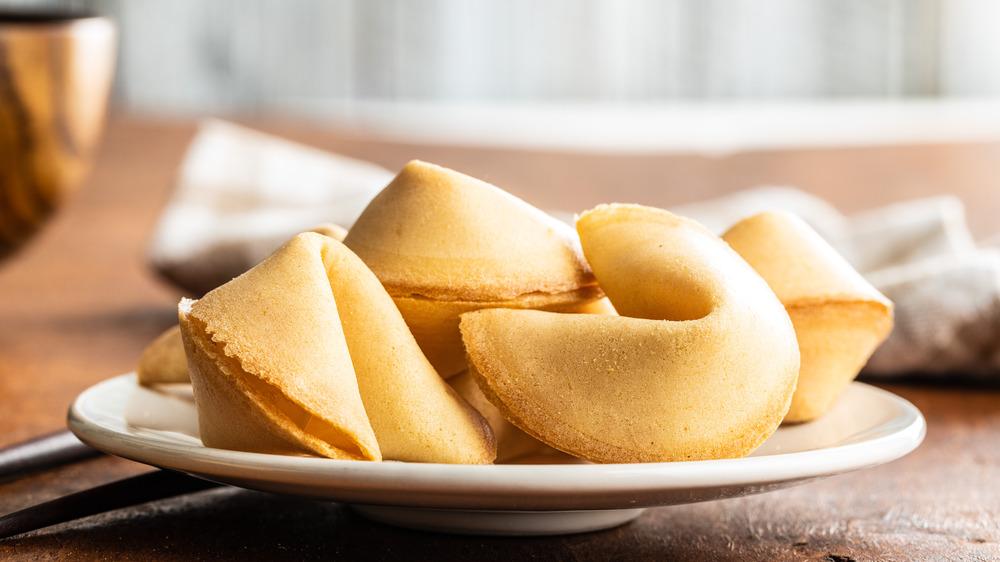
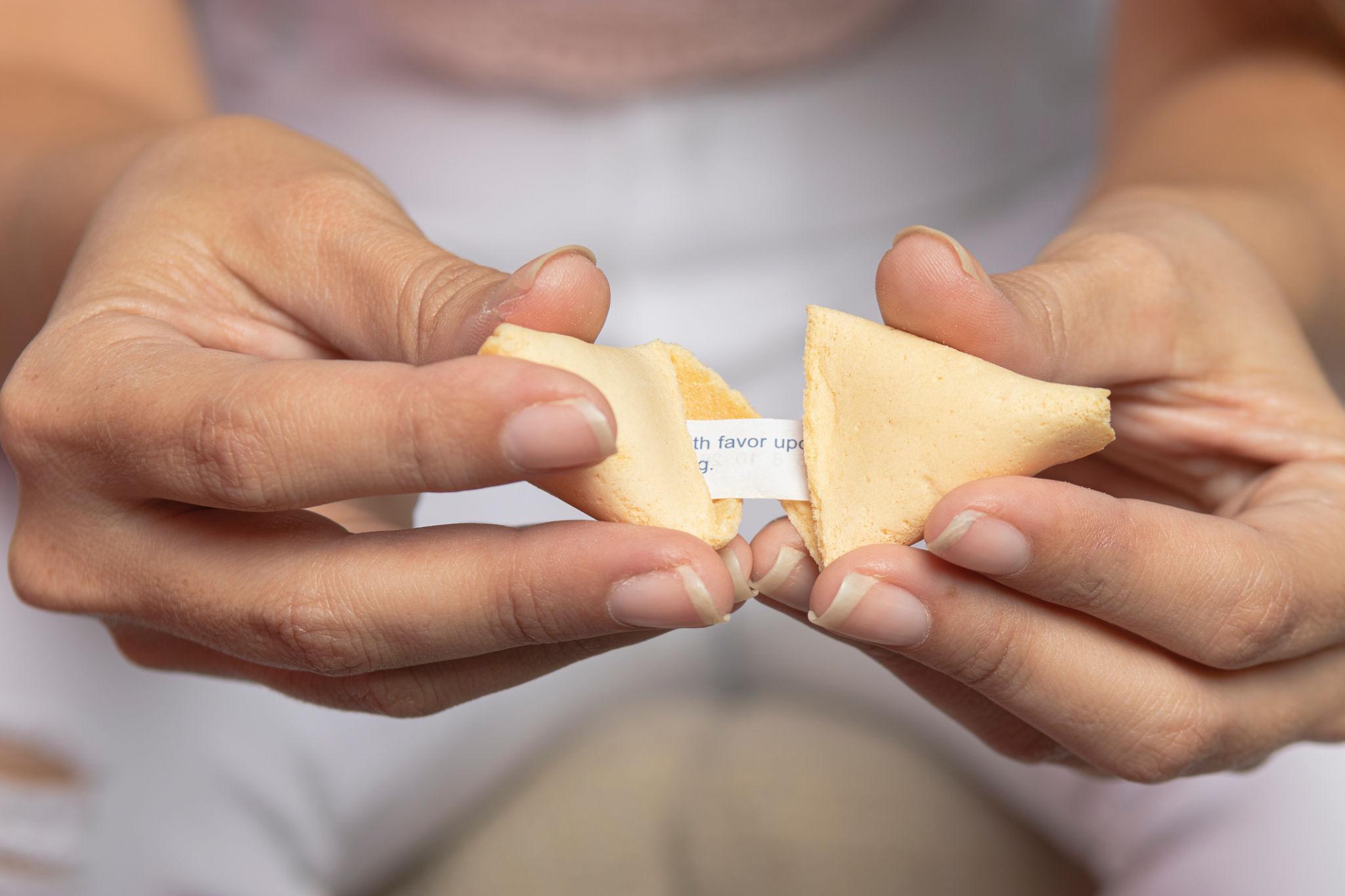
You finish your meal at a Chinese restaurant. The plates are cleared, and then comes the final ritual—a small golden cookie wrapped in plastic lands on the table. You crack it open and pull out a slip of paper offering a prediction that’s either oddly vague—“Great opportunities await you”—or strangely specific—“You will meet someone special soon.”
It feels like an age-old Chinese tradition, something deeply rooted in culture and cuisine.
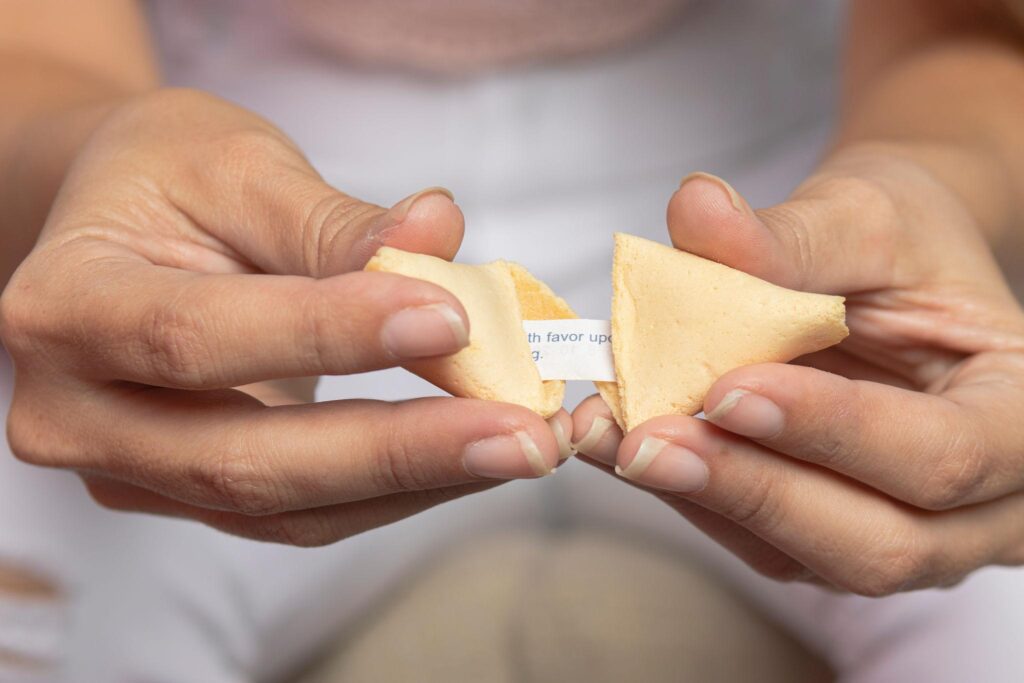
Except it isn’t and here’s the surprising truth:
Fortune cookies aren’t Chinese at all. In fact, their real story is far more unexpected, shaped by immigration, cultural exchange, and one of the biggest cases of mistaken culinary identity in food history.
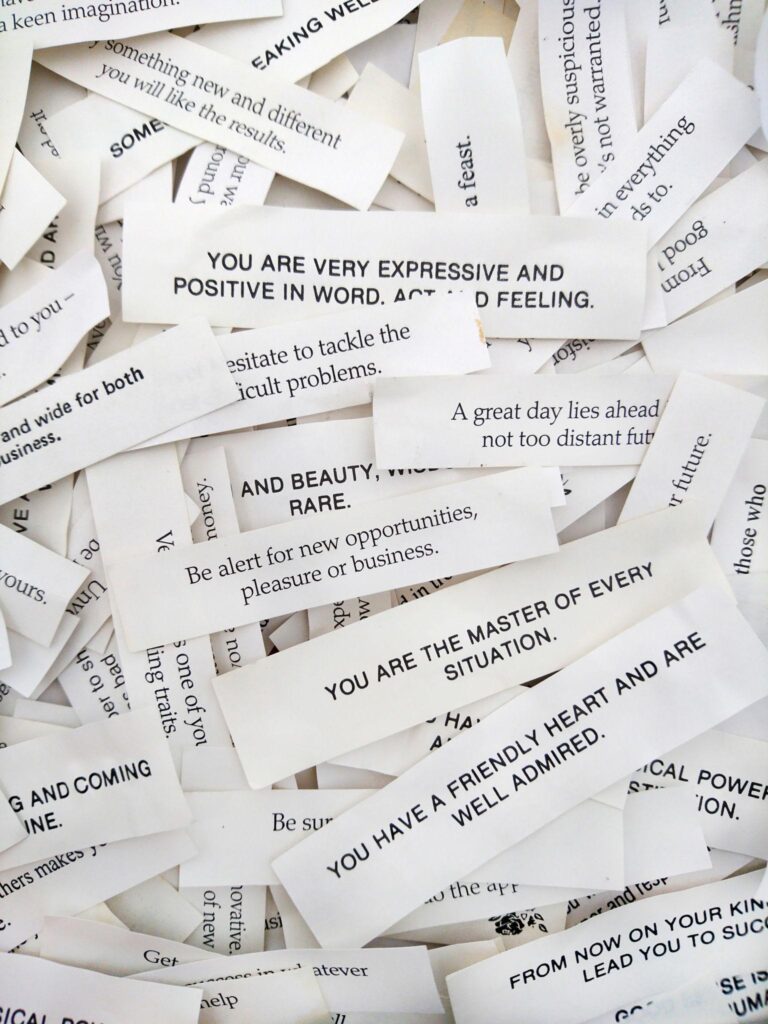
The biggest case of mistaken identity in food history
Fortune cookies became closely associated with Chinese-American restaurants throughout the 20th century, eventually turning into a signature ending to the dining experience. For many diners, they’re now almost expected after meals featuring familiar dishes like General Tso’s chicken, Kung Pao chicken, or Bang Bang Shrimp. Over time, the cookie became so deeply linked with Chinese cuisine in the United States that most people simply assumed it was an authentic Chinese tradition.
The reality is far different. Travel to China and ask locals about fortune cookies, and many may have no idea what you’re referring to. In fact, they’re often viewed as an American novelty rather than a traditional Chinese dessert.
This surprising disconnect highlights how food can be reshaped by migration, adaptation, and cultural assumptions. While fortune cookies may have become a symbol of Chinese takeout culture in America, their real story begins somewhere entirely unexpected.
It may have started in Japan
Long before fortune cookies became a fixture in American restaurants, Japan had a similar treat known as Tsujiura Senbei. These traditional crackers were commonly sold near temples and shrines in cities like Kyoto and Tokyo, offering visitors a small snack paired with a hidden message.
Much like modern fortune cookies, they were folded and contained slips of paper with fortunes tucked inside. However, they looked and tasted quite different from the version most people know today. Tsujiura Senbei were typically larger, darker in colour, and far less sweet, often flavoured with ingredients like sesame and miso.
The Tsujiura Senbei tradition is deeply rooted in Japanese spiritual practices, where receiving messages from the otherworld was considered a sacred ritual. Unlike the mass-produced fortune cookies we know today, these original Japanese versions were crafted with reverence and spiritual intention, serving as a bridge between the physical and spiritual realms.
This ancient tradition continues to thrive today, with Hyōtanyama Inari Shrine in Osaka still maintaining the practice of Tsujiura. The shrine serves as a living testament to the enduring power of this spiritual custom, demonstrating how the real story behind fortune cookies connects to centuries-old Japanese religious practices rather than Chinese culinary traditions.
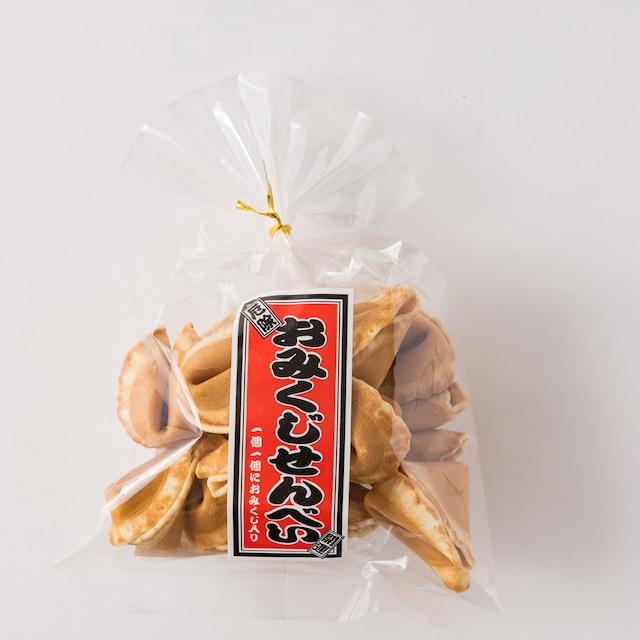
Many food historians believe Japanese immigrants brought this concept to the United States during the late 19th and early 20th centuries. That’s where the story begins to blur—and where the debate over the modern fortune cookie truly starts.
The San Francisco vs Los Angeles battle
Two major cities claim they invented the modern fortune cookie:
San Francisco claim
A man named Makoto Hagiwara, a Japanese immigrant who designed the Japanese Tea Garden in Golden Gate Park, is often credited with serving early versions of fortune cookies around the early 1900s.
Some stories suggest he created them as a thank-you gesture for supporters after facing discrimination. His cookies reportedly contained gratitude notes.
Los Angeles claim
David Jung, founder of the Hong Kong Noodle Company, also claimed he invented fortune cookies in 1918. According to the story, he handed them to unemployed people and included inspirational messages inside.
Who invented them first? Historians still debate it.
The debate became so bizarre that in 1983, San Francisco hosted a mock legal proceeding known as the Court of Historical Review fortune cookie case to settle the matter.
And yes—it was as ridiculous as it sounds.
San Francisco was declared the winner—though Los Angeles never really accepted the verdict.
World War II changed everything
This is where the story takes a much darker turn.
During World War II, thousands of Japanese-Americans were forcibly removed from their homes and sent to internment camps after the U.S. government issued Executive Order 9066. As a result, many Japanese-owned bakeries that had originally been producing fortune cookies were forced to shut down.
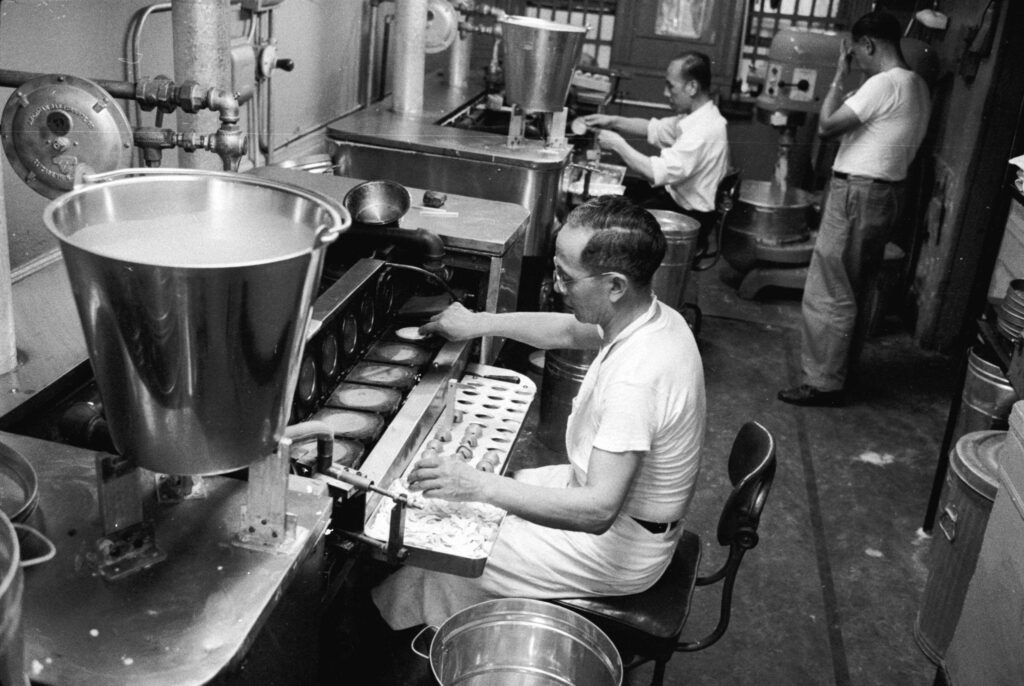
With Japanese businesses displaced, Chinese-American entrepreneurs stepped in and began manufacturing fortune cookies on a much larger scale. Over time, these cookies became increasingly associated with Chinese restaurants—not because they were traditionally Chinese, but because Chinese restaurants remained visible while many Japanese businesses were devastated by wartime policies.
That shift permanently altered public perception, turning fortune cookies into a symbol of Chinese-American dining despite their far more complicated origins.
Why fortune cookies exploded in popularity
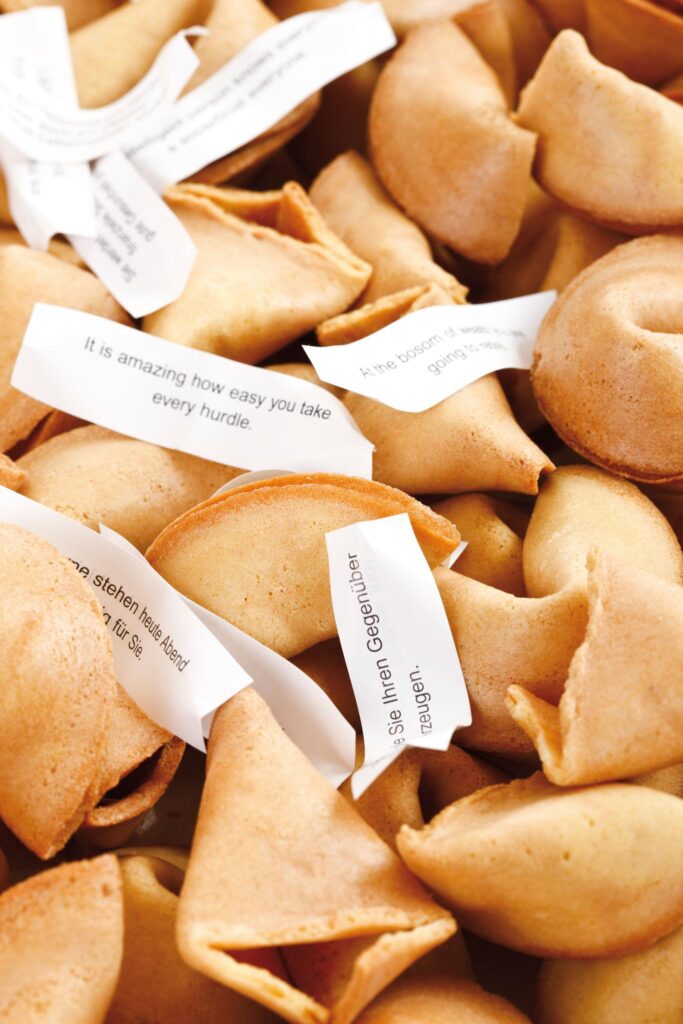
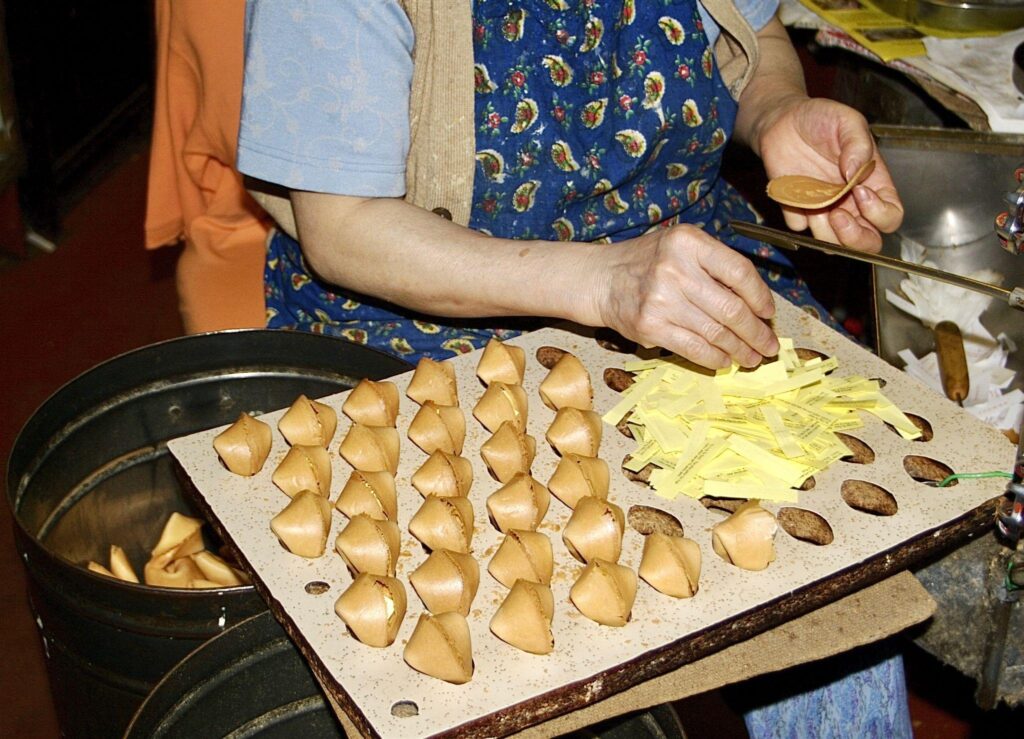
In post-war America, fortune cookies arrived at the perfect time. Diners were drawn to novelty experiences, affordable Chinese-American restaurants were rapidly growing in popularity, and restaurants loved desserts that were inexpensive and easy to serve. Fortune cookies offered all of that—plus an interactive element that made them memorable.
Cracking open a cookie to reveal a hidden message felt playful and unique, turning a simple dessert into part of the dining experience. It was inexpensive for restaurants and entertaining for customers, making it an easy tradition to adopt.
Mass production only accelerated their popularity. Companies like Wonton Food Inc. helped scale fortune cookie manufacturing across the United States, making them widely available at a very low cost.
Today, billions of fortune cookies are produced every year, and most restaurants don’t make them from scratch—they simply buy them in bulk and serve them as the now-familiar end to a meal.
The irony? China eventually imported them
In one of food history’s most ironic twists, a snack that many people assumed was traditionally Chinese became so globally recognised that some businesses in China eventually began selling fortune cookies specifically to tourists.
It’s a perfect example of how strange food globalization can be. What likely began as a Japanese-inspired treat made its way to America, became deeply associated with Chinese restaurants, and was later exported back to China as a cultural novelty.
A Japanese influence.
An American reinvention.
A Chinese restaurant icon.
Food identity is rarely as straightforward as it seems—and fortune cookies are proof of just how complicated those stories can become.
What fortune cookies teach us about food history
Fortune cookies are a reminder that food is constantly evolving. Their story was shaped by migration, cultural exchange, reinvention, survival, and, at times, simple mislabelling. What people often assume to be traditional cuisine can sometimes be the result of immigrant communities adapting their food to new environments and audiences.
Much like Chicken tikka masala is often debated as a British invention rather than a traditional Indian dish, and Spaghetti and meatballs is more closely tied to Italian-American culture than authentic Italian cuisine, fortune cookies reveal how restaurant food often reflects immigrant journeys rather than national traditions.
That’s what makes food history so fascinating—it’s rarely linear, and the stories behind familiar dishes are often far more complex than what appears on the plate.
Final bite from The Curious Wok
The next time you crack open a fortune cookie at the end of a meal, remember—you’re not holding an ancient Chinese tradition. You’re holding a story shaped by immigration, war, cultural reinvention, and one of the biggest cases of mistaken identity in food history.
What seems like a simple after-dinner treat carries a far more complex legacy—one that travelled from Japan to the United States, became synonymous with Chinese restaurants, and eventually found its way back to China in an unexpected twist of globalization.
And honestly, that story is far more fascinating than whatever fortune is tucked inside.
“A surprise awaits you soon.”
Turns out, it already did.— The Curious Wok