“Congratulations! You’ve earned a Michelin Star.”
For many chefs, those five words are the ultimate validation of a lifetime spent chasing perfection. They represent years of sacrifice, relentless discipline, and an unwavering commitment to creating unforgettable food. A single star can transform a restaurant overnight. Three stars can make it a destination worth crossing continents for.
Today, the Michelin Star is the most prestigious accolade in the culinary world. It has the power to launch careers, fill reservation books months in advance, and inspire travellers to plan entire holidays around a single meal.
Yet, for all its prestige, its origins are surprisingly humble.
The Michelin Star wasn’t born in a famous restaurant.
It wasn’t invented by a celebrated chef.
It wasn’t created by a panel of food critics.
It began as a clever marketing idea by a French tyre company looking to sell more tyres.
As Michelin celebrates 100 years of Michelin Stars, it’s the perfect time to look back at the remarkable journey of the little red guidebook that transformed the way we travel, dine, and define culinary excellence.
The Beginning: A Guide Designed to Sell More Tyres
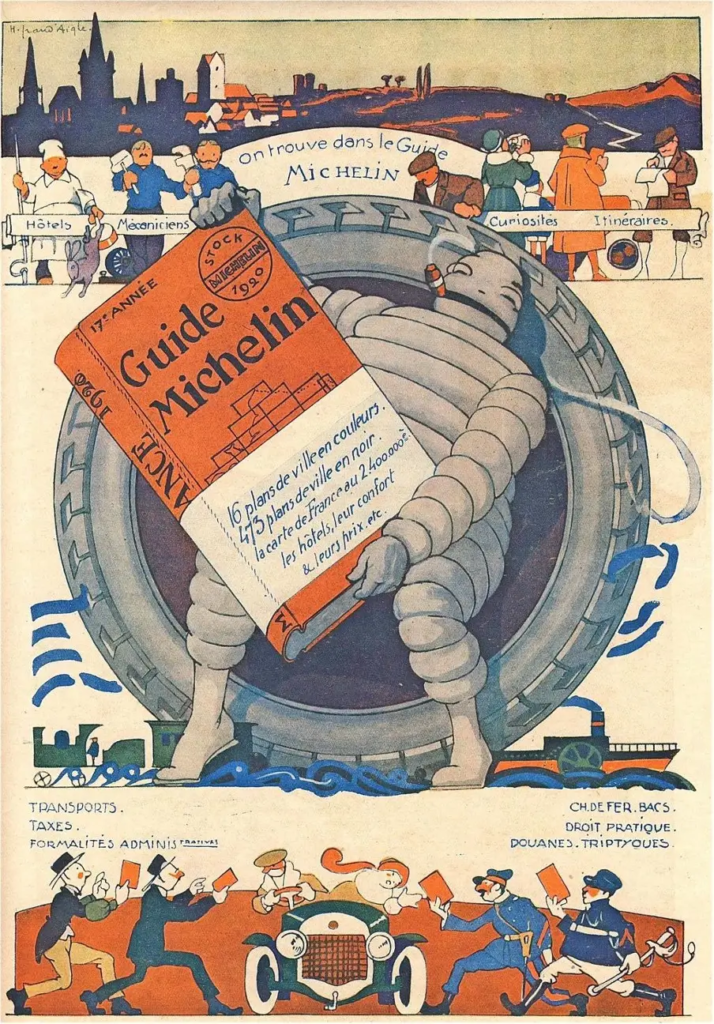
Long before it became the world’s most influential restaurant guide, the Michelin Guide had a far simpler purpose: helping sell more tyres.
The story begins in France in 1900, when automobiles were still a rarity. Fewer than 3,000 cars travelled the country’s roads, and for brothers André and Édouard Michelin, founders of the Michelin tyre company, that posed a serious business challenge. After all, if people weren’t driving, they weren’t wearing out their tyres.
Rather than waiting for the automobile industry to grow, the Michelin brothers decided to encourage people to hit the road.
Their solution was both practical and ingenious: a small red guidebook that made travelling easier.
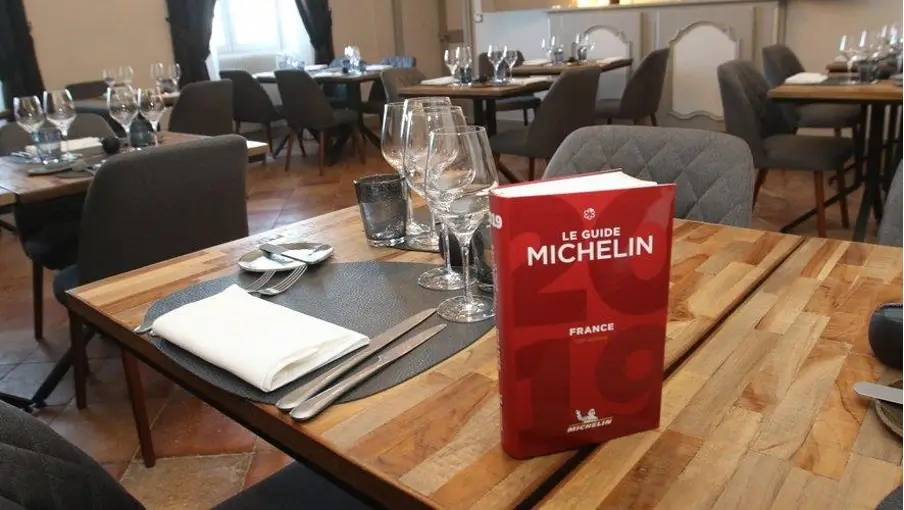
The first Michelin Guide wasn’t about fine dining. It was packed with useful information for motorists, including maps, mechanics, petrol stations, hotels, and places to eat along the journey. It was designed to give travellers the confidence to explore further—and, in turn, drive more.
The idea was beautifully simple: the more people travelled, the more tyres they would need.
What began as an innovative marketing tool would, over the next century, evolve into the world’s most respected authority on dining, proving that one of the greatest culinary institutions in history was born not from a kitchen, but from the open road.
When Restaurants Became the Destination
As automobiles became more common and road travel flourished, the Michelin Guide evolved alongside its readers.
The Michelin brothers noticed an important shift. Travellers were no longer setting out simply to reach a destination—they were beginning to plan journeys around memorable meals. A great restaurant had become a reason to travel in its own right.
Recognising this change, Michelin placed greater emphasis on its restaurant recommendations. Anonymous inspectors began visiting establishments, carefully assessing the quality of the food and identifying those that stood above the rest.
Then, in 1926, Michelin introduced a symbol that would forever change the culinary world: a single star. It marked restaurants serving exceptional cuisine and quickly became a badge of excellence that chefs aspired to earn.
The idea proved so influential that, in 1931, Michelin expanded its rating into the now-iconic one-, two-, and three-star system—a standard that continues to define culinary excellence around the world today.
What began as a travel companion for motorists had transformed into the world’s most prestigious restaurant guide, forever changing the way people travelled, dined, and celebrated great food.
What Do Michelin Stars Actually Mean?
One of the biggest misconceptions about Michelin Stars is that they’re awarded for luxury.
They’re not.
A Michelin Star isn’t about lavish interiors, impeccable table settings, or an army of servers. At its core, Michelin recognises one thing above all else: the quality of the food on the plate.
When evaluating a restaurant, Michelin inspectors focus on five key criteria:
- The quality of the ingredients
- Mastery of cooking techniques
- The harmony of flavours
- The chef’s personality expressed through the cuisine
- Consistency across every visit and throughout the menu
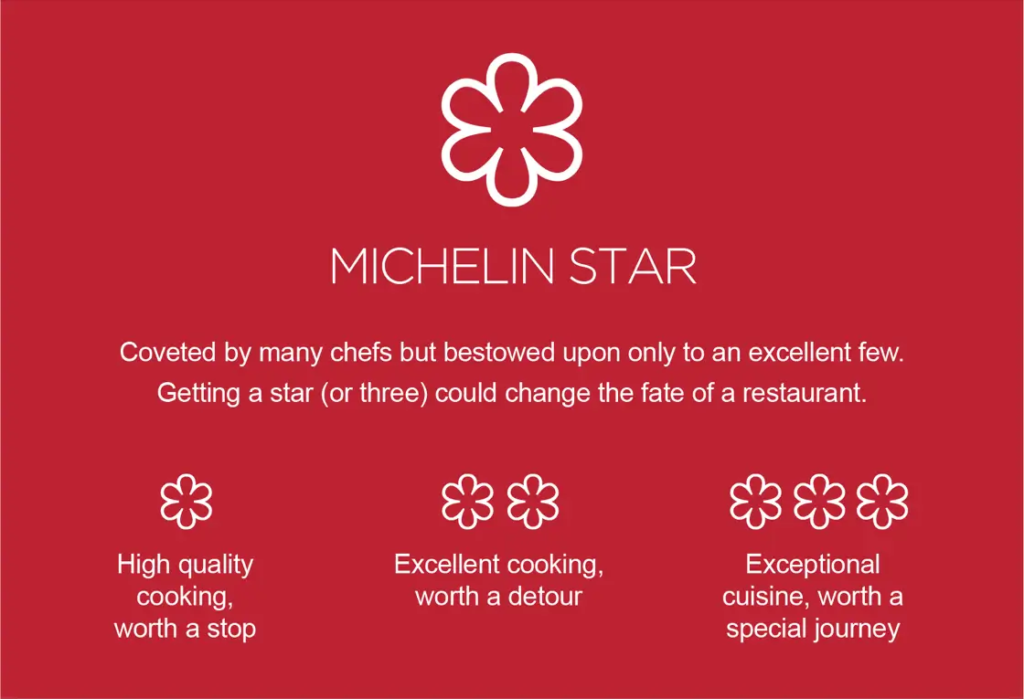
Based on these standards, restaurants can earn one, two, or three Michelin Stars:
⭐ One Michelin Star
A very good restaurant in its category.
A place that’s well worth stopping for if you’re nearby.
⭐⭐ Two Michelin Stars
Excellent cooking that is worth a detour.
The food is so exceptional that it’s worth going out of your way to experience.
⭐⭐⭐ Three Michelin Stars
Exceptional cuisine that is worth a special journey.
These are the restaurants that inspire travellers to cross cities, countries—even continents—for a single meal.
Notice what Michelin doesn’t evaluate.
It doesn’t judge the décor.
It doesn’t award stars for silver cutlery or extravagant dining rooms.
It doesn’t require white tablecloths or luxurious surroundings.
Instead, Michelin asks a simple question: Is the food so good that it’s worth travelling for?
That philosophy has remained at the heart of the Michelin Guide for nearly a century—and it’s one of the reasons the guide continues to command such respect around the world.
The Mystery of the Michelin Inspectors
One of the reasons the Michelin Guide commands such respect is the secrecy surrounding its inspectors.
Unlike many restaurant awards, Michelin inspectors remain completely anonymous. They don’t announce their arrival, request special treatment, or reveal their identity. Instead, they dine like any other guest, blending seamlessly into the crowd.
Most inspectors come from professional culinary or hospitality backgrounds, giving them the expertise to evaluate every aspect of a meal with a trained and impartial eye. They pay for their meals, make multiple visits when necessary, and assess restaurants over time rather than relying on a single dining experience.
That’s because Michelin isn’t looking for one unforgettable night.
It’s looking for excellence that can be delivered consistently, day after day, service after service.
For chefs, earning a Michelin Star is an extraordinary achievement. But maintaining the standards required to keep it year after year is an even greater challenge—and that’s what makes the distinction so respected throughout the culinary world.
Can Street Food Earn a Michelin Star?
Absolutely.
For decades, Michelin was closely associated with fine dining, elegant dining rooms, and elaborate tasting menus. But in recent years, the guide has embraced a much broader view of culinary excellence, recognising that exceptional food can be found in the most unexpected places.
Perhaps no one embodies this shift better than Supinya Junsuta, better known as Jay Fai. Working from her modest shophouse in Bangkok, she transformed street food into a global culinary destination. Wearing her signature ski goggles over an open charcoal flame, she became one of the world’s most celebrated Michelin-starred street food chefs, proving that world-class cuisine doesn’t need white tablecloths or a luxurious dining room.
Jay Fai’s success opened the world’s eyes to a simple truth: excellence isn’t defined by where food is served, but by the skill, consistency, and passion behind every dish.
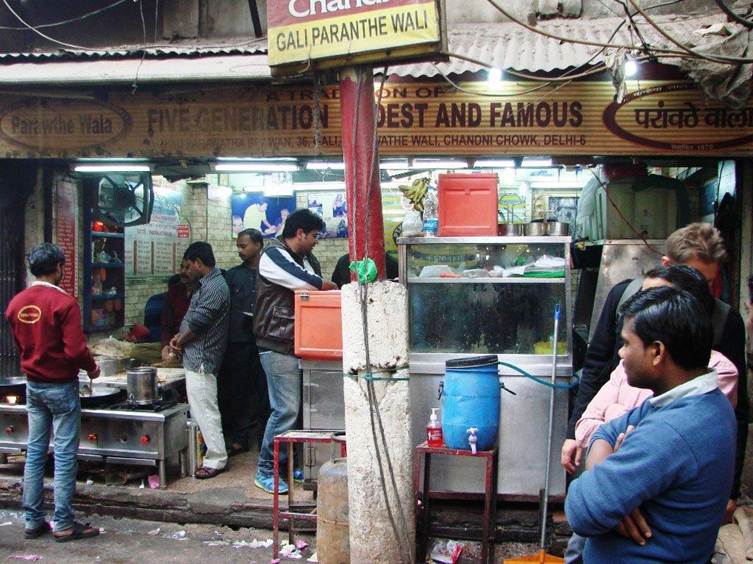
Today, Michelin Stars aren’t reserved exclusively for luxury restaurants. They’ve also been awarded to humble noodle shops, family-run ramen counters, bustling street-food stalls, and vibrant hawker centres—places where the focus is entirely on flavour, craftsmanship, and consistency.
Some of the world’s most celebrated Michelin-recognised eateries have fewer than twenty seats. Others don’t have seats at all.
The message is unmistakable: great food doesn’t need crystal chandeliers or linen tablecloths—it simply needs to be exceptional.
And perhaps that’s the most inspiring lesson Michelin has taught the culinary world: whether it’s served on fine porcelain in a grand dining room or on a simple plate at a roadside stall, extraordinary food deserves extraordinary recognition.
Michelin Is More Than Just Stars
When most people think of the Michelin Guide, they think of stars. But the guide celebrates excellence in more ways than one, recognising restaurants that deliver exceptional experiences at every level.
Michelin Selected
Not every outstanding restaurant receives a Michelin Star. Many are recognised as Michelin Selected—restaurants that have impressed Michelin inspectors with the quality of their food and deserve a place in the guide.
For travellers, the Michelin Selected category is often a treasure trove of exceptional dining experiences, showcasing everything from neighbourhood bistros and family-run eateries to innovative contemporary restaurants.
Bib Gourmand
One of the guide’s most beloved distinctions is the Bib Gourmand, awarded to restaurants serving high-quality food at great value. These are the places where exceptional cooking meets reasonable prices, making them favourites among locals and savvy travellers alike.
If you’re looking for memorable meals without the premium price tag, the Bib Gourmand category is often the best place to start.
Michelin Green Star
Introduced in 2020, the Michelin Green Star recognises restaurants that are leading the way in sustainable gastronomy. From responsibly sourced ingredients and seasonal menus to reducing food waste and minimising their environmental impact, these restaurants prove that exceptional dining can also be environmentally responsible.
Together, these distinctions reflect Michelin’s evolving vision of hospitality. While Michelin Stars celebrate culinary excellence at the highest level, Michelin Selected highlights restaurants worth discovering, Bib Gourmand rewards outstanding value, and the Michelin Green Star recognises a commitment to sustainability.
In other words, the Michelin Guide isn’t just about finding the world’s finest restaurants—it’s about helping diners discover remarkable food in all its forms.
| Recognition | What it Means | Best For |
| Michelin Selected | Restaurants recommended by Michelin inspectors for the quality of their food | Discovering excellent restaurants |
| Bib Gourmand | Great food at good value | Budget-conscious food lovers |
| ⭐ Michelin Star | Exceptional cooking | Special occasions and destination dining |
| 🌿 Michelin Green Star | Outstanding commitment to sustainability | Eco-conscious travellers |
Is the Michelin Guide the Final Word?
For all its prestige, the Michelin Guide isn’t without its critics.
Over the years, some have argued that Michelin traditionally favoured French and European fine dining, while others believe certain cuisines, regions, and styles of cooking remain underrepresented. There are also countless exceptional restaurants around the world that will never receive a Michelin Star—not because of the quality of their food, but simply because Michelin doesn’t publish a guide in every country or city.
These debates are part of what makes the culinary world so fascinating. After all, great food is deeply personal, and no single guide can capture every extraordinary dining experience.
Yet despite the criticism, Michelin remains the most influential restaurant guide in the world. Its anonymous inspections, rigorous evaluation process, and unwavering focus on consistency have earned it a level of credibility few other awards can match.
For chefs, earning even a single Michelin Star can be career-defining. It can transform a little-known restaurant into an international destination and place years of dedication and craftsmanship firmly in the global spotlight.
Ultimately, a Michelin Star isn’t the only measure of a great restaurant—but it remains one of the most respected.
Why Michelin Still Matters After 100 Years
The way we discover restaurants has changed dramatically over the past century.
Today, a viral social media post can fill a dining room overnight. Food influencers uncover hidden gems, online reviews shape dining decisions, and new restaurant rankings appear every year.
Yet, through all these changes, the Michelin Guide has remained one of the most trusted names in the culinary world.
Why?
Because Michelin has never chased trends. It has stayed true to the principles that have guided it for nearly a century: exceptional ingredients, technical excellence, harmony of flavours, consistency, and the unique vision of the chef.
A truly memorable meal isn’t defined by how photogenic it looks or how many likes it earns online. It’s defined by the emotions it evokes, the memories it creates, and the desire to experience it again.
That’s why chefs across the world continue to pursue Michelin Stars—not simply for the prestige, but because they represent recognition from one of the most rigorous and respected evaluation systems in gastronomy.
One hundred years after the first Michelin Star was awarded, the little red guide continues to inspire chefs, influence travellers, and remind us that great food will always stand the test of time.
The Curious Wok Recommends
If you’re planning a food-focused trip, don’t just chase Michelin Stars.
Start with Michelin Selected restaurants for local favourites, explore Bib Gourmand eateries for exceptional value, and save a Michelin-Starred restaurant for one unforgettable meal.
The best culinary journeys are rarely defined by a single reservation—they’re built one great bite at a time.
Final Bite from The Curious Wok
The next time you hear that a restaurant has earned a Michelin Star, remember that its story didn’t begin in a celebrated kitchen or with a world-famous chef.
It began with two brothers, a tyre company, and a simple idea: inspire people to travel.
What started as a practical guide for motorists evolved into the world’s most respected symbol of culinary excellence—one that has shaped the way we discover restaurants, celebrate great chefs, and experience food across cultures.
A century later, Michelin Stars are about far more than prestige. They celebrate passion, craftsmanship, consistency, and the relentless pursuit of excellence.
Because at its heart, the Michelin Guide has never really been about stars.
It’s about the journeys they inspire.
After all, some of the world’s most unforgettable stories begin with a single meal.
Keep Your Curiosity Cooking
Every great meal has a story, and we’d love to hear yours.
If you could dine at any Michelin-recognised restaurant in the world, which one would you choose—and why?
Share your answer in the comments, and if you enjoyed this story, explore more food guides, culinary histories, and recipes here on The Curious Wok.