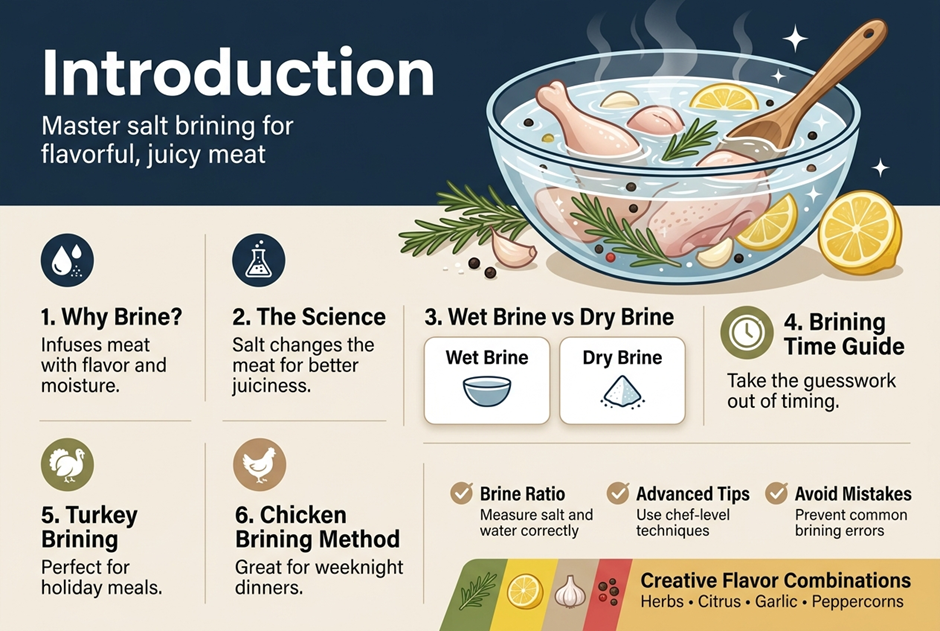
Salt brining turns everyday meals into juicy, flavour-packed dishes. This guide will help you master the basics of how to brine meat and confidently use the right technique for any protein.
You’ll learn the science behind brining, the difference between wet brining and dry brining, ideal brining times, and proper salt ratios. We’ll also cover turkey and chicken brining methods along with common mistakes to avoid.
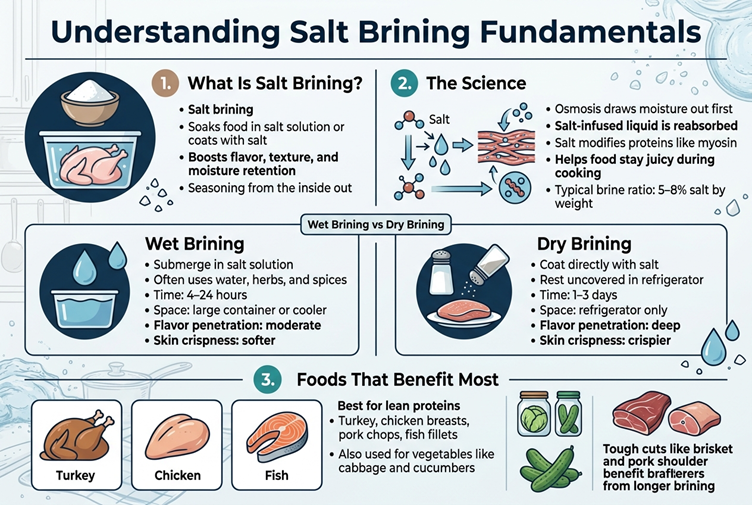
What is salt brining and its culinary purpose
Salt brining is a time–honoured culinary technique that involves soaking food in a salt solution or coating it with salt to enhance flavour, texture, and moisture retention. This process works by drawing moisture from the food initially, then allowing the salt-infused liquid to be reabsorbed back into the meat or vegetables, creating a more flavourful and tender final product.
Discover the science behind salt penetration and moisture retention
The magic of salt brining lies in the process of osmosis and protein modification. When salt comes into contact with meat or vegetables, it initially draws out moisture through osmosis. This creates a concentrated salt solution on the surface of the food. Over time, this salty liquid is gradually reabsorbed, carrying the salt deep into the food’s cellular structure.
Salt also breaks down muscle proteins, particularly myosin, which helps the meat fibers retain more moisture during cooking. The salt ions interact with protein molecules, causing them to unwind and form a gel-like matrix that traps water. This scientific process explains why properly brined meats stay juicy even when cooked to higher temperatures.
The brine solution ratio typically ranges from 5-8% salt by weight, creating the optimal environment for this osmotic exchange while preventing the food from becoming overly salty.
Learn the difference between wet and dry brining methods
| Aspect | Wet Brining | Dry Brining |
| Method | Submerge in salt solution | Coat with salt directly |
| Time Required | 4-24 hours | 1-3 days |
| Space Needed | Large container/cooler | Refrigerator space only |
| Flavour Penetration | Moderate | Deep |
| Skin Crispness | Softer | Crispier |
Wet brining and dry brining are two different methods used to achieve similar results. Wet brining involves soaking food in a liquid saltwater solution, often combined with water, herbs, and spices. This method works well for larger cuts of meat like whole turkey or chicken and even for pickling vegetables such as carrots, gherkins, jalapenos, etc. allowing for even salt distribution and the opportunity to infuse additional flavour.
Dry brining, also called pre-salting, involves coating the food directly with salt and allowing it to rest uncovered. This method creates more concentrated flavours and often produces crispier skin on poultry because there’s no excess moisture to evaporate during cooking.
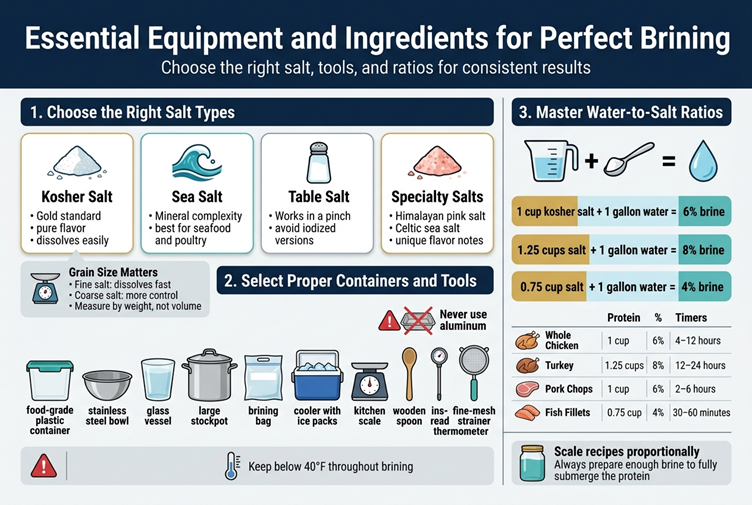
Choose the right salt for optimal flavour enhancement.
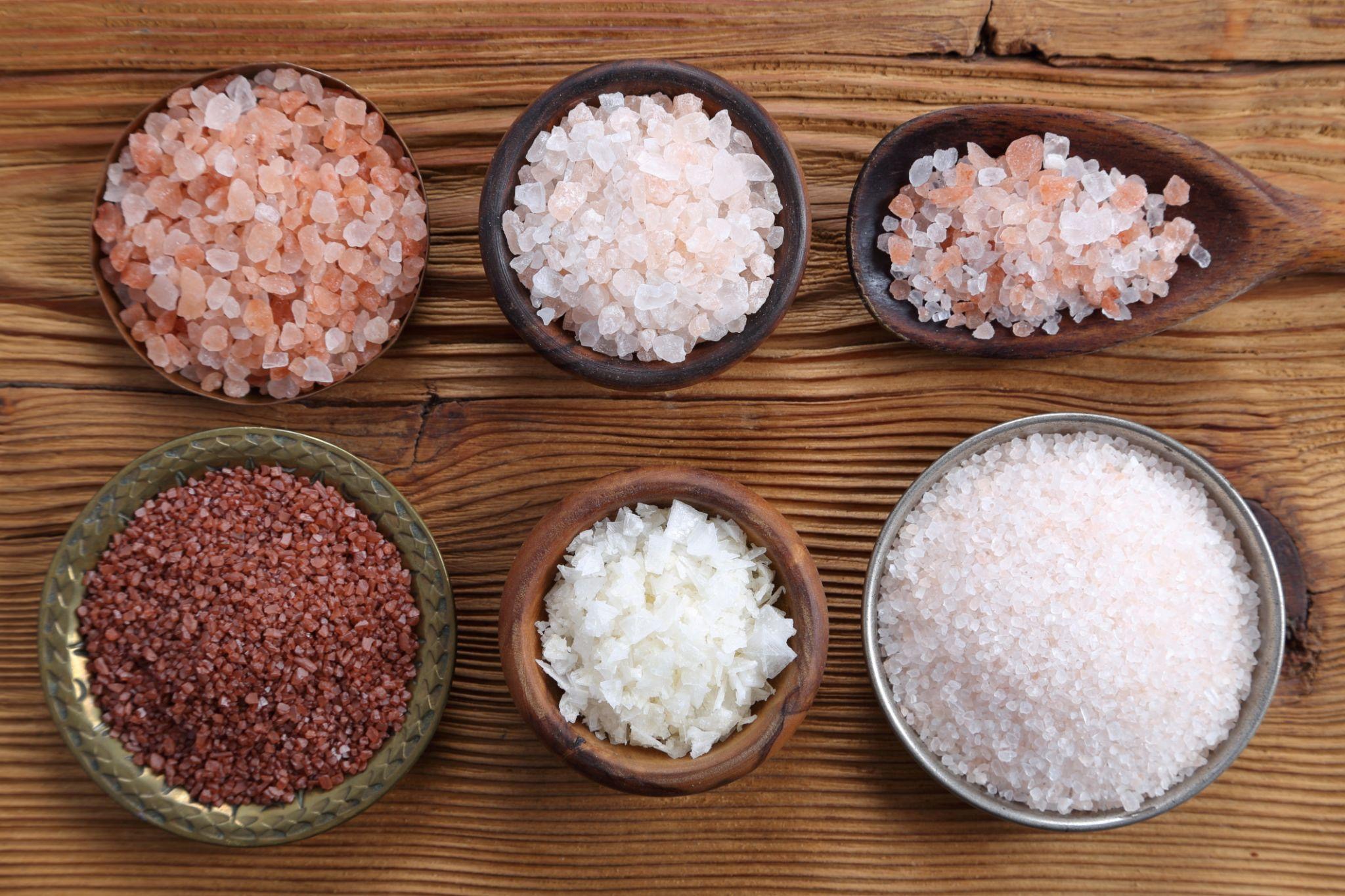
Kosher salt is often the best choice for brining because of its clean flavour and easy dissolving properties. Sea salt adds subtle mineral depth, making it great for seafood and poultry. Table salt can work in emergencies, but avoid iodized versions as they may leave a metallic taste.
For more advanced brining, Himalayan pink salt adds a mild earthy note that pairs well with pork and beef, while Celtic sea salt creates smoother brines due to its natural moisture content.
Grain size matters too—fine salts dissolve faster but can easily over-salt, while coarse salts dissolve slower and offer better control. For consistent results, always measure salt by weight instead of volume.
Select proper containers and tools for safe brining
Container selection directly impacts brining safety and effectiveness. Food-grade plastic containers, stainless steel bowls, or glass vessels work best. Never use aluminium containers, as they react with salt and create off-flavours while potentially leaching harmful compounds into your food.
Size matters when choosing a brining container. Make sure your vessel comfortably fits the food item with at least an inch of space on all sides to allow the brine to circulate evenly.
Essential tools include a reliable kitchen scale for precise salt measurements, wooden spoons for stirring (metal spoons can scratch containers), fine-mesh strainers and instant-read thermometers for monitoring brine temperature.
Master water-to-salt ratios for consistent results
The foundation of successful salt brining lies in precise water-to-salt measurements that create optimal osmotic pressure for flavour penetration. The standard ratio of 1 cup kosher salt to 3.5 litres of water creates a 6% brine solution, perfect for most poultry and pork applications. This concentration provides excellent moisture retention while preventing over-salting.
Different proteins require adjusted ratios for best results. Turkey and large roasts handle stronger 8% solutions (1.25 cups salt per 3.5 litres of water), while delicate fish needs gentler 4% brines (0.75 cups per 3.5 litres of water). Your brining time guide should always correspond with solution strength – stronger brines require shorter timing.
Temperature affects salt dissolution and brining speed. Hot water dissolves salt faster, but always cool your brine completely before adding protein or vegetables.
| Protein Type | Salt per Gallon (approx. 3.5 litres) | Brine Strength | Typical Time Range |
| Whole Chicken | 1 cup | 6% | 4-12 hours |
| Turkey | 1.25 cups | 8% | 12-24 hours |
| Pork Chops | 1 cup | 6% | 2-6 hours |
| Fish Fillets | 0.75 cups | 4% | 30-60 minutes |
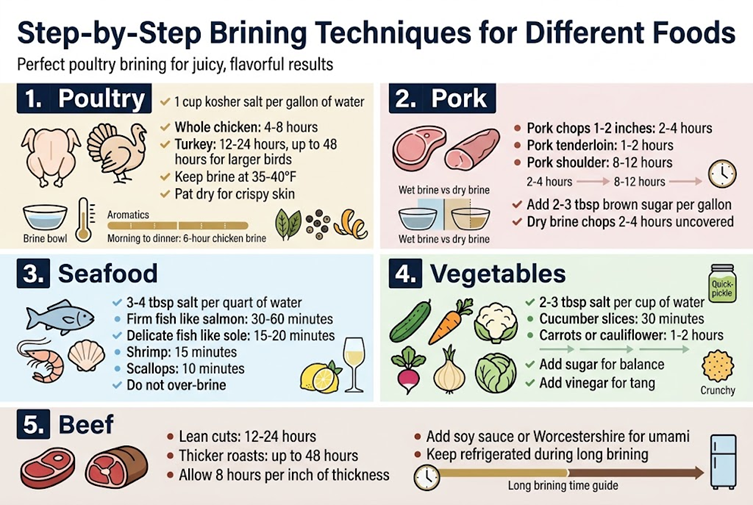
Dry brining works excellently for chops – simply coat with salt and let rest uncovered in the refrigerator for 2-4 hours before cooking.
Add lemon juice or white wine to seafood brines for enhanced flavour complexity. The acid works alongside salt to firm up the protein structure while adding brightness.
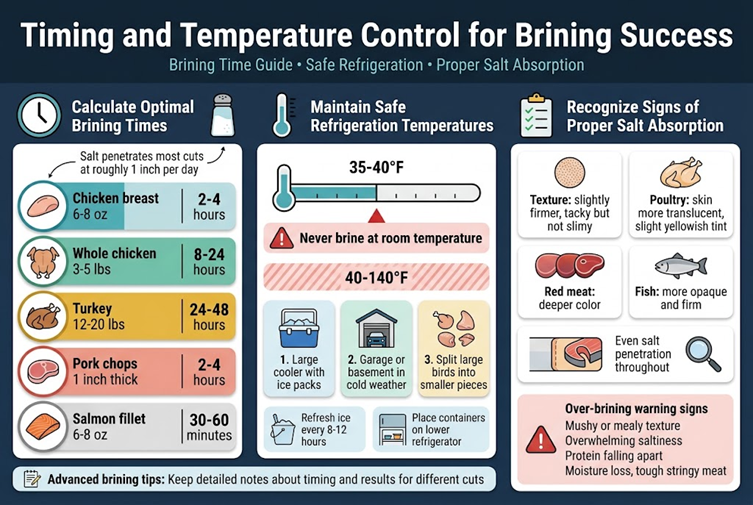
Calculate the Right Brining Time for Every Protein
Timing can make or break your brine. Too little time leaves meat under-seasoned, while too much can make it overly salty or affect texture. As a general rule, salt penetrates meat at about one inch per day, though thickness and protein type matter.
Chicken: Whole chickens need 8–24 hours depending on size. A 3-pound bird usually takes 8–12 hours, while a 5-pound chicken benefits from 18–24 hours. Breasts and thighs only need 2–4 hours.
Turkey: Larger birds require more time—typically 24–48 hours for turkeys weighing 12–20 pounds. Birds over 20 pounds can be brined for up to 72 hours with close monitoring.
Pork:
- Chops and tenderloin: 2–4 hours
- Whole pork shoulder: 12–24 hours
- Pork belly: 8–12 hours
Beef: Brine carefully, as over-brining can affect texture. Steaks need 2–6 hours, while larger roasts can handle 12–24 hours.
Fish & Shellfish: These require the shortest brining times—most fish fillets need only 30 minutes to 2 hours, while shellfish should be brined for just 15–30 minutes.
Maintain Safe Refrigeration Temperatures During the Process
Temperature control prevents bacterial growth while allowing salt brining to work its magic. Your refrigerator should stay between 1-4°C throughout the entire process.
Never brine at room temperature, even for short periods. Proteins sitting in the danger zone (4-60°C) become breeding grounds for harmful bacteria within hours. The combination of moisture and moderate temperatures creates perfect conditions for foodborne illness.
Recognize Signs of Proper Salt Absorption
Properly brined meat develops a slightly firmer texture as salt draws out moisture initially, then proteins restructure and retain more liquid than before brining began. The surface should feel tacky but not slimy.
Colour changes provide excellent indicators. Poultry skin becomes more translucent with a slight yellowish tint. Red meats often develop a deeper colour as myoglobin interacts with salt. Fish fillets appear more opaque and firm.
Test doneness by cutting a small piece from the thickest part. Properly brined meat shows even salt penetration throughout, without overly salty edges or bland centres. The seasoning should taste balanced, enhancing rather than overpowering the natural flavours.
Advanced Brining Techniques and Flavour Combinations
Incorporate herbs and spices for complex flavour profiles
Creating sophisticated brine solutions goes beyond basic salt and water combinations. The real magic happens when you layer in aromatic herbs and warm spices that penetrate deep into your protein during the salt brining process. Fresh herbs like rosemary, thyme, and sage release their essential oils directly into the brine, creating flavour compounds that work their way through the meat fibers.
Add sugars and aromatics for balanced taste enhancement
Sugar plays a crucial role in advanced brining techniques, doing much more than simply adding sweetness. It helps balance the saltiness while encouraging beautiful browning during cooking. Different sugars contribute unique flavour characteristics to your brine solution ratio. Brown sugar adds molasses notes that work wonderfully with pork and beef, while maple syrup brings complexity that shines in chicken brining methods.
Honey creates silky mouthfeel and floral undertones, especially when combined with herbs like thyme or lavender. White sugar works as a neutral base that won’t compete with other flavours. The key is using just enough – typically 2-4 tablespoons per 3.5 litres of brine – to achieve balance without overwhelming the palate.
Aromatics like onions, shallots, and leeks add Savory depth to your salt brine recipe. Slice them thick so they don’t break apart during the brining process. Celery stalks contribute subtle vegetal notes and natural sodium that enhances the overall brining effect. Carrots add mild sweetness and work particularly well in poultry brines.
Fresh garlic cloves should be smashed lightly to release their oils without creating bitter compounds that can develop during longer brining times.
Experiment with citrus and acid additions for tenderizing
Acidic ingredients transform your brining game by working alongside salt to break down tough protein fibers. Citrus fruits bring both acid and aromatic oils that penetrate meat differently than salt alone. Lemon and lime zest contain powerful oils that infuse bright, clean flavours, while the juice provides the tenderizing acid component.
Orange juice works exceptionally well in poultry brines, especially when combined with herbs like sage or rosemary. The natural sugars in citrus juice caramelize beautifully during cooking, creating appealing colour and flavour. Grapefruit brings subtle bitterness that balances rich meats like duck or goose.
White wine vinegar and apple cider vinegar offer different taste profiles. Apple cider vinegar has fruity undertones that complement pork beautifully, while white wine vinegar provides clean acidity that doesn’t compete with delicate flavours. Start with 2-3 tablespoons per 3.5 litres of brine and adjust based on your protein and desired intensity.
Wine itself makes an excellent brine component, though alcohol content will reduce effectiveness slightly. White wines work well with poultry and fish, while red wines complement beef and game meats. The tannins in red wine provide additional tenderizing properties beyond just the acid content.
Buttermilk creates incredibly tender results due to its lactic acid content. This works particularly well with chicken, creating juicy and tender meat.
Common Mistakes
Avoid over-salting and texture problems
Over-salting happens more often than you’d think, especially when following salt brine recipes without adjusting for different proteins. The magic ratio for most wet brining sits around 6-8% salt by weight of water.
Quick fixes for over-salted results:
- Rinse the protein thoroughly under cold water for 2-3 minutes
- Soak briefly in fresh water (5-10 minutes max)
- Pat completely dry before cooking
Remember, you can always add more salt, but you can’t take it back once it’s penetrated the meat.
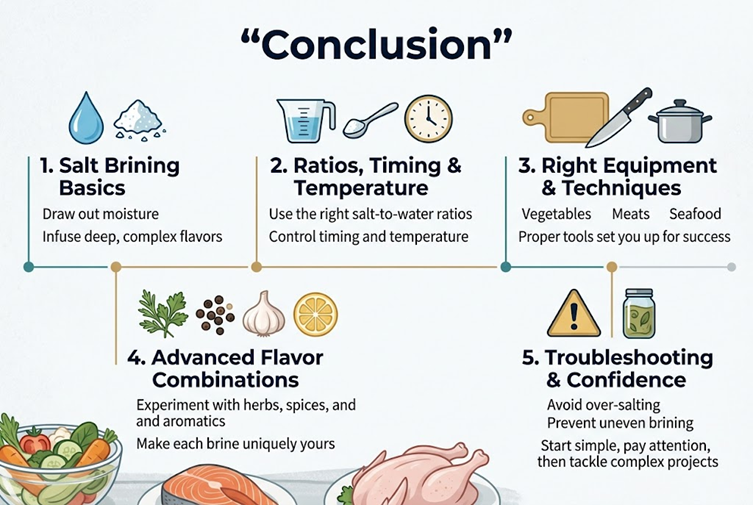
From mastering salt-to-water ratios to getting timing and temperature right, every step matters when creating the perfect balance of flavour and texture. Whether you’re brining vegetables, meat, or seafood, the right tools and techniques can help you achieve consistent, delicious results every time.
The real fun begins when you start experimenting with herbs, spices, and aromatics to create your own flavour combinations. Learn from common mistakes like over-salting or uneven brining, start simple, and you’ll soon have the confidence to take on more advanced brining recipes that impress every time.
At The Curious Wok, we believe great cooking comes from understanding the “why” behind every technique. Brining is one of those simple skills that can completely transform your food—and once you master it, you’ll wonder how you ever cooked without it.