Understanding how oils and animal fats capture and transport flavour, aromatics, and texture.
You’ve probably heard someone say, almost proudly, “I barely use any oil when I cook.”
And while moderation is important, this approach often leads to one common issue—food that tastes surprisingly flat.
Not because the ingredients were bad.
Not because the spices were wrong.
But because there wasn’t enough fat to unlock and carry those flavours through the dish.
Fat is one of the most misunderstood ingredients in cooking. It’s often viewed through the lens of calories, health concerns, or unnecessary indulgence. But in the kitchen, fat plays a far more important role than most people realize.
Great chefs understand that fat is more than just richness—it’s a delivery system.
It helps extract aromatic compounds from spices and herbs.
It allows flavours to spread more evenly.
It creates texture.
It adds body and mouthfeel.
And in many cuisines—especially Asian, Indian, and French cooking—fat often acts as the invisible element that ties everything together.
Without it, your food might be fully cooked. But it can still feel like something is missing.
What does “fat as a carrier” actually mean?
A lot of flavour compounds are fat-soluble, which means they release far better in fat than they do in water.
In simple terms, certain aromas and taste molecules need oil, butter, ghee, or animal fat to fully unlock their potential.
Think about ingredients like:
- Garlic
- Ginger
- Whole spices
- Curry leaves
- Sichuan peppercorn
- Dried chilies
- Star anise
- Cinnamon
- Fresh herbs
- Citrus zest
Add these ingredients to plain water, and you’ll extract some flavour—but often not their full aromatic depth.
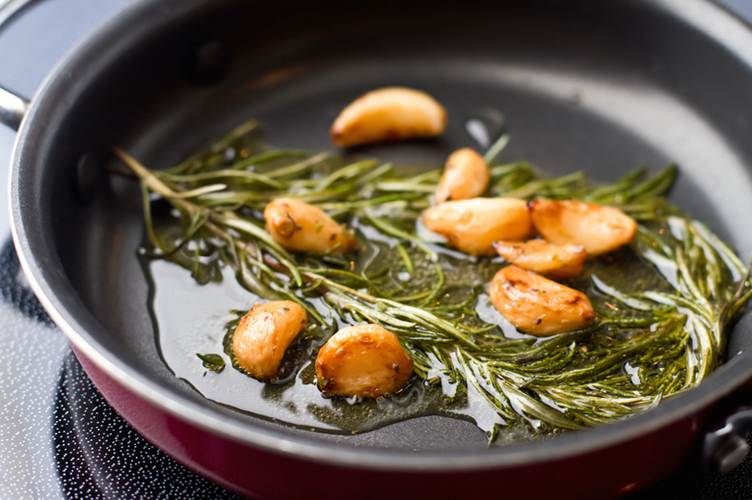
Now drop them into hot oil, butter, Ghee, or rendered animal fat, and the transformation is immediate. The aromas become more intense, the flavours deepen, and suddenly your kitchen smells incredible.
That’s fat doing exactly what it’s meant to do—capturing flavour and carrying it throughout the dish.
The science behind it (without turning this into a chemistry class)
Every ingredient contains aroma compounds—and not all of them behave the same way. Some dissolve better in water, while others need fat to fully release their flavour.
Water-soluble compounds
These dissolve more easily in liquids like stocks, soups, and broths.
Examples include:
- Salt
- Sugar
- Certain acids
These are the flavours that spread well in water-based cooking.
Fat-soluble compounds
These need oil or fat to properly unlock their full potential.
Examples include:
- Capsaicin (the heat in chilies)
- Essential oils from herbs
- Aromatics from garlic and onions
- Spice oils found in cumin, coriander, cloves, and cinnamon
This is exactly why curries can taste raw when spices are dumped straight into tomato puree or water-based sauces.
But when those same spices are bloomed in hot oil first, they release deeper aromas, richer flavours, and create a far more balanced dish.
Sometimes great cooking really comes down to understanding where flavour likes to live.
Why tempering works so well
Indian cooking has understood the power of fat as a flavour carrier long before it became a culinary science discussion. One of the best examples of this is tadka—also known as tempering.
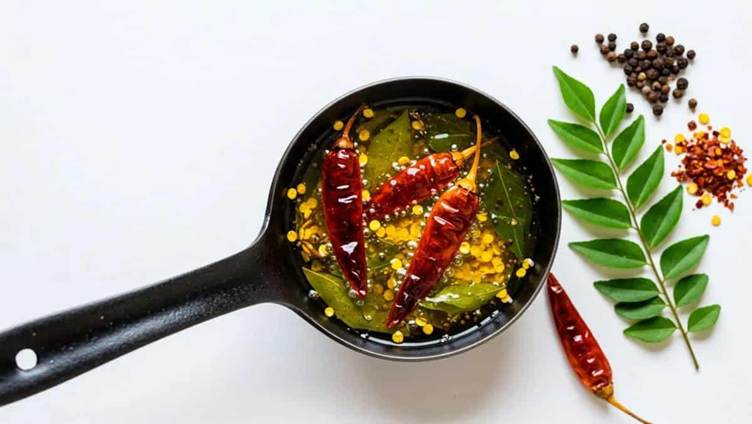
When mustard seeds hit hot oil, they crackle and release their aroma. Cumin blooms, garlic turns fragrant, and curry leaves release their essential oils almost instantly.
That flavoured oil then carries those aromas through the entire dish, ensuring every bite tastes layered and complete.
Take dal, for example. On its own, it can be warm and comforting.
But finish it with a hot tempering of Ghee, garlic, cumin, and chilies? That’s when it becomes unforgettable.
Why wok cooking relies so heavily on fat
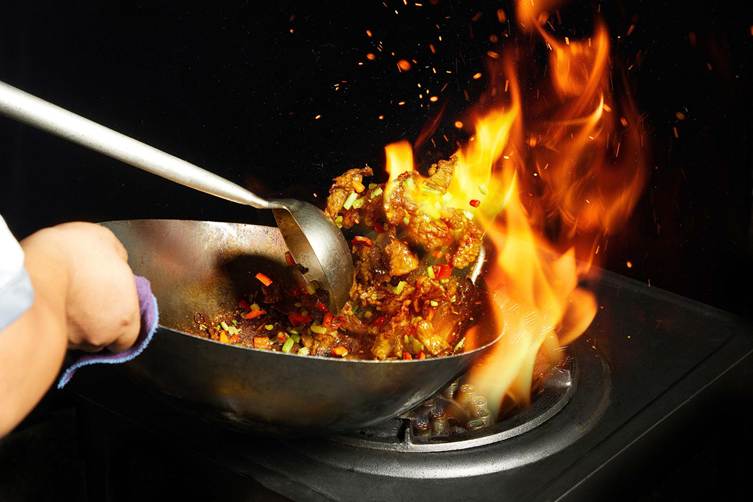
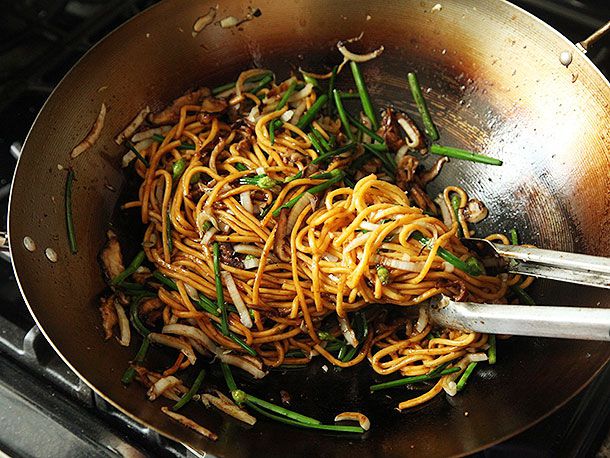
In wok cooking, oil does far more than stop ingredients from sticking to the pan—it plays a critical role in building flavour and texture at high heat.
Aromatic infusion
Garlic, scallions, ginger, and chilies release their aromas rapidly when they hit hot oil, creating the flavour base for many stir-fries.
Better heat distribution
A thin layer of oil helps coat ingredients, allowing them to cook faster and more evenly in the intense heat of a wok.
Wok hei development
That signature smoky, restaurant-style flavour comes from the interaction of high heat, oil, and vaporized aromatics. Fat helps make that magic happen.
Sauce emulsification
Oil helps sauces coat noodles, rice, vegetables, and proteins more evenly instead of pooling at the bottom of the wok.
Without enough fat, stir-fries can quickly fall apart—ingredients may steam instead of sear, sauces can split, aromatics may burn too fast, and the final dish often ends up tasting dry rather than vibrant.
Why restaurant food often tastes better
Let’s be honest—restaurant food often tastes richer, deeper, and somehow more satisfying than what we make at home. A big reason? Chefs understand how to use fat strategically.
That extra spoon of butter in a sauce, chicken fat in rice, duck fat for roasting potatoes, sesame oil in stir-fries, or rendered pork fat in ramen broth isn’t just there for indulgence. It’s there because fat helps distribute flavour more effectively throughout a dish.
These fats don’t simply make food richer—they make flavours feel fuller, more rounded, and more cohesive.
It’s also why restaurant fried rice often tastes noticeably better than a homemade version made with barely any oil. Sometimes the difference isn’t a secret ingredient—it’s simply understanding how flavour travels.
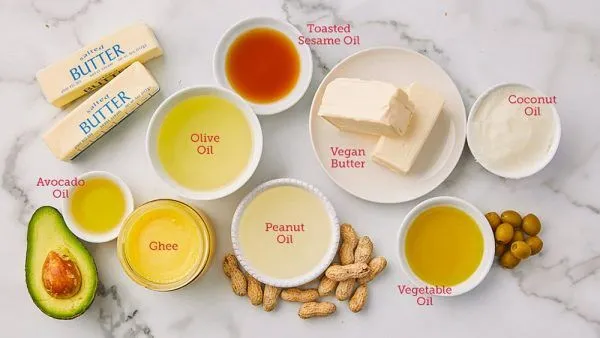
Different fats carry flavour differently
One of the biggest misconceptions in cooking is treating all fats as interchangeable. They’re not. Each fat brings its own flavour, smoke point, and personality to a dish. Choosing the right one can dramatically change the final result.
Butter
Rich, creamy, and slightly sweet, butter adds softness and depth to food. It’s especially great when used toward the end of cooking for a glossy finish.
Best used in:
- Pasta sauces
- French-style pan sauces
- Scrambled eggs
- Baking
Ghee
Ghee has a nutty aroma and higher smoke point than butter, making it ideal for Indian cooking where flavourful fats play a central role.
Best used in:
- Indian curries
- Tadka/tempering
- Rice dishes
- Flatbreads
Neutral oils
These are the workhorses of everyday cooking because they don’t overpower other ingredients. They let spices, sauces, and aromatics take centre stage.
Best used in:
- Stir-fries
- Deep frying
- Sautéing
- General cooking
Common examples:
- Peanut oil
- Canola oil
- Rice bran oil
Olive oil
Unlike neutral oils, olive oil adds flavour of its own—fruity, peppery, and sometimes grassy depending on the variety.
Best used in:
- Mediterranean dishes
- Salad dressings
- Roasted vegetables
- Bread dips
Animal fats
These bring serious flavour intensity and are often the secret behind restaurant-level richness. A little goes a long way.
Common examples:
- Duck fat
- Lard
- Beef tallow
Perfect for:
- Roasting potatoes
- Confit cooking
- Rich sauces
- Traditional comfort food
The takeaway? Great cooks don’t just ask how much fat should I use? They ask which fat makes the most sense for this dish?Top of FormBottom of Form
Fat doesn’t just carry flavour—it carries texture too
Great food isn’t only about taste. It’s also about how it feels when you eat it, and fat plays a huge role in that experience.
Think about the crunch of fried chicken, the silky richness of a well-made curry, the glossy finish on stir-fried noodles, the creaminess of ice cream, or the delicate tenderness of pastries. That satisfying texture often comes from fat doing its job behind the scenes.
Without enough fat, food can feel flat in more ways than one—it may taste fine, but the texture can come across as dry, thin, rough, or simply incomplete.
The biggest mistake?
Fat works best when it interacts with ingredients early enough to unlock their flavour compounds. If garlic, spices, herbs, or aromatics don’t spend enough time in fat, you leave a huge amount of flavour trapped inside them.
Think of fat as the vehicle that helps those flavours travel through the dish—not a last-minute garnish.
A few simple ways to use it better:
✅ Bloom whole spices in oil before adding liquids
✅ Sauté garlic, ginger, onions, and aromatics until fragrant
✅ Finish dishes with infused oils or butter when you want an extra layer of aroma
Timing matters just as much as quantity—and knowing when to use fat can completely change how your food tastes.
When less fat actually works better
Some dishes shine because they feel light, clean, and ingredient-forward. In these cases, too much fat can overpower delicate flavours instead of enhancing them.
Think about:
- Clear broths that rely on depth from stock
- Poached seafood where freshness should lead
- Crisp salads built around acidity and texture
- Steamed dishes that highlight natural sweetness
These dishes lean more on acid, herbs, seasoning, and freshness than richness.
Because great cooking isn’t about adding more butter, oil, or cream—it’s about knowing when restraint creates a better plate.
Try this simple experiment at home
Want to understand fat as a flavour carrier in the most practical way possible? Try this side-by-side test.
Make two batches of noodles:
Batch 1:
Toss noodles with garlic and soy sauce.
Batch 2:
First bloom the garlic in hot oil, then add soy sauce and noodles.
Now taste both.
The second batch will likely taste deeper, rounder, and far more aromatic—even though the ingredients are almost identical.
That extra layer of flavour? That’s fat doing what it does best: carrying flavour throughout the dish.
Final thoughts: don’t fear fat—understand it
Fat has spent years being unfairly labelled as the villain in cooking, when the real issue is often poor technique.
When used with intention, fat can completely transform a dish—it helps unlock aromas, carry spices, improve texture, create balance, and give food the kind of depth people remember.
The best cooks aren’t the ones who use the most fat. They’re the ones who know exactly when to use it, why it matters, and how much a dish actually needs.
Once you start understanding fat as a tool rather than something to avoid, your cooking becomes far more deliberate—and far more delicious.
For The Curious Wok:
Master heat. Understand fat. Respect salt. Balance acid.
That’s how memorable food gets made.