The ultimate guide to choosing, using, and maintaining the most important tool in your kitchen.
Every great meal begins before the stove is even turned on.
It starts on the cutting board.
The way you slice onions, break down vegetables, trim meat, or finely mince garlic directly impacts how your food cooks and tastes. Yet many home cooks spend thousands on appliances while using dull, poorly chosen knives that make cooking feel harder than it should.
A good knife doesn’t just make prep faster—it makes cooking safer, cleaner, and far more enjoyable.
But with endless options on the market—chef knives, Santokus, Cleavers, Japanese blades, German steel—it’s easy to feel overwhelmed.
This guide breaks down everything you need to know about kitchen knives without unnecessary jargon.
Why Knives Are the Most Important Tool in Your Kitchen
A quality knife improves:
- Prep speed
- Cutting precision
- Ingredient consistency
- Safety
- Cooking confidence
Uniform cuts help ingredients cook evenly.
For example:
Uneven potato cubes = uneven roasting
Poorly sliced onions = inconsistent caramelization
Bad knife work = wasted ingredients
The Most Essential Types of Kitchen Knives
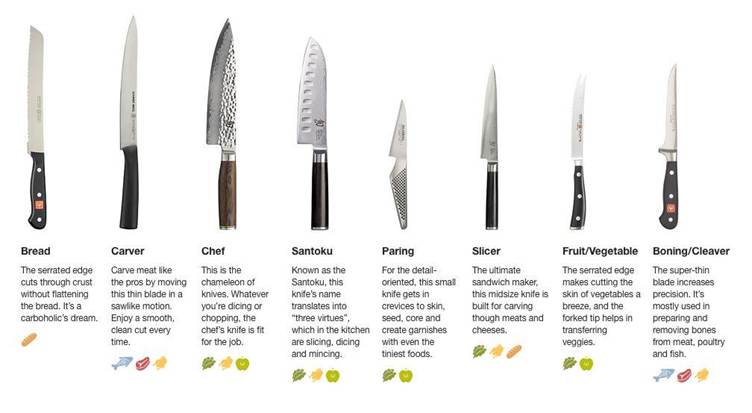
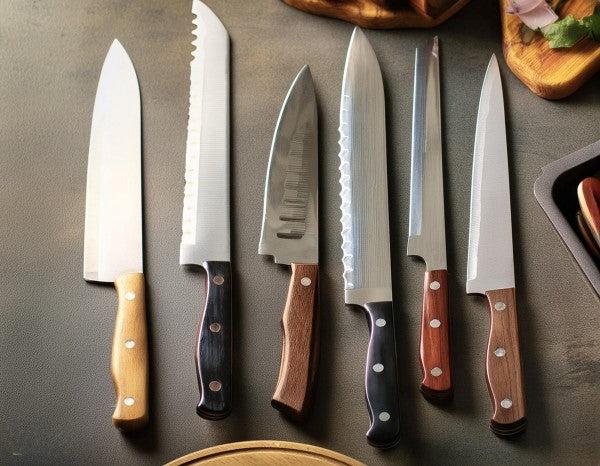
- Chef’s Knife
The all-purpose workhorse.
Typically 8–10 inches long.
Ideal for:
- Vegetables
- Meat slicing
- Herbs
- General prep
A quality chef knife can handle nearly 80% of your daily cooking tasks. If you only own one quality knife, make it this one.
2. Santoku Knife
Santoku means “three virtues.”
And the three virtues are:
- Slicing
- Dicing
- Mincing
Its flatter blade makes it excellent for precise vegetable prep.
Perfect for Asian cooking.
3. Paring Knife
Small but incredibly useful. Best for:
- Peeling
- Deveining shrimp
- Trimming fruits
- Precision work
4. Bread Knife
The serrated blade helps cut:
- Bread
- Cakes
- Tomatoes
- Soft fruits
5. Cleaver
A favourite in many Chinese kitchens.
Excellent for:
- Vegetable prep
- Crushing garlic
- Slicing meat
Don’t confuse this with heavy butcher cleavers.
Japanese vs Western Knives
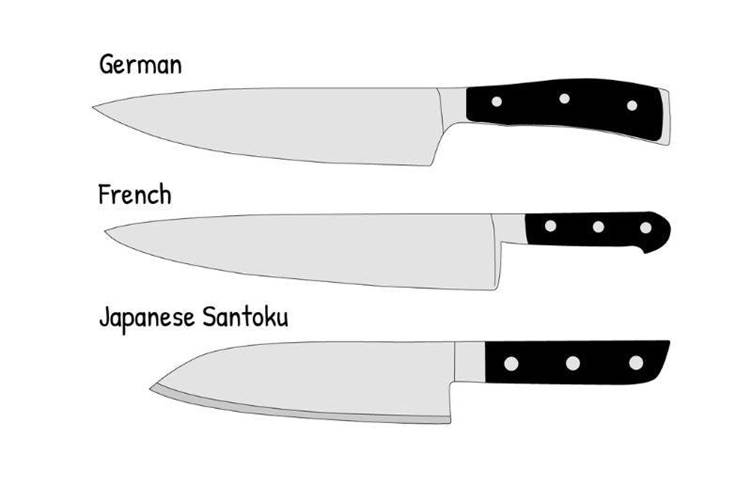
Japanese knives
Examples include Gyuto, Nakiri, and Deba.
They’re known for:
- Thin blades
- Extreme sharpness
- Precision cutting
- Lightweight handling
Best for delicate prep.
Western knives
Common brands include Wüsthof and Zwilling J.A. Henckels.
Known for:
- Durability
- Heavier feel
- Versatility
- Tougher steel
Better for rougher prep tasks.
Understanding Knife Steel
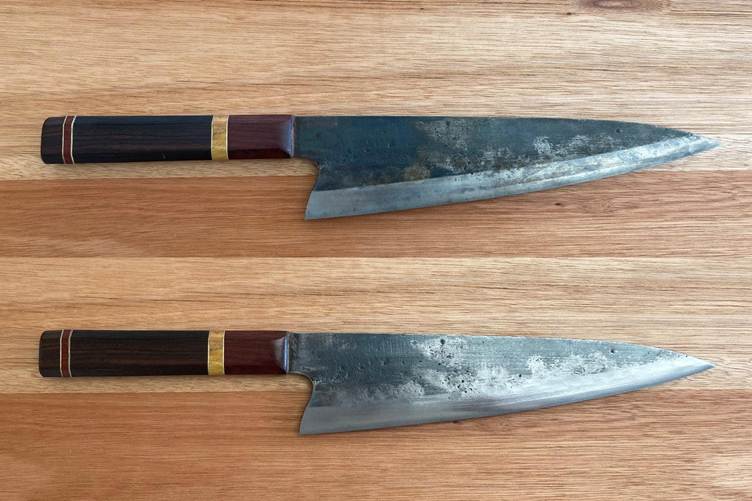
Carbon Steel
Pros:
- Extremely sharp
- Easy to sharpen
- Excellent edge retention
Cons:
- Rusts easily
- Requires maintenance
- Develops patina
Stainless Steel
Pros:
- Rust resistant
- Easy maintenance
- Great for beginners
Cons:
- Slightly harder to sharpen
High Carbon Stainless Steel
The best of both worlds.
Popular among modern premium brands.
How to Choose the Right Knife
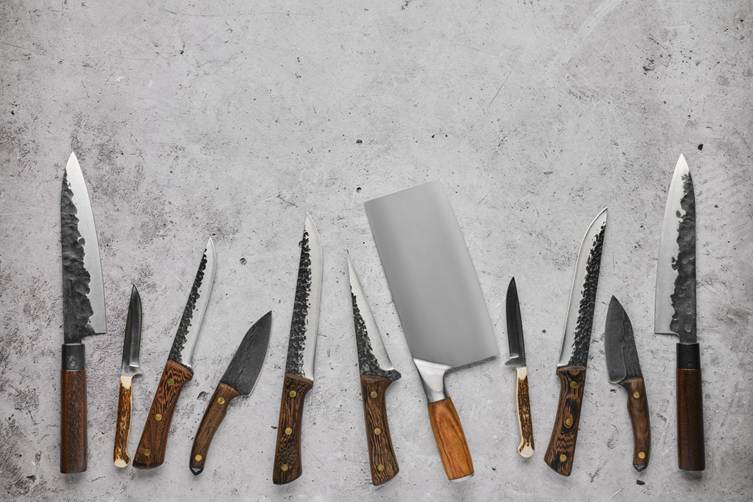
Ask yourself:
What do you cook most?
- Lots of vegetables → Santoku or Nakiri
- General cooking → Chef knife
- Meat-heavy cooking → Chef knife + boning knife
- Bread baking → Bread knife
Also consider:
- Hand size
- Weight preference
- Budget
- Maintenance commitment
How to Hold a Knife Properly
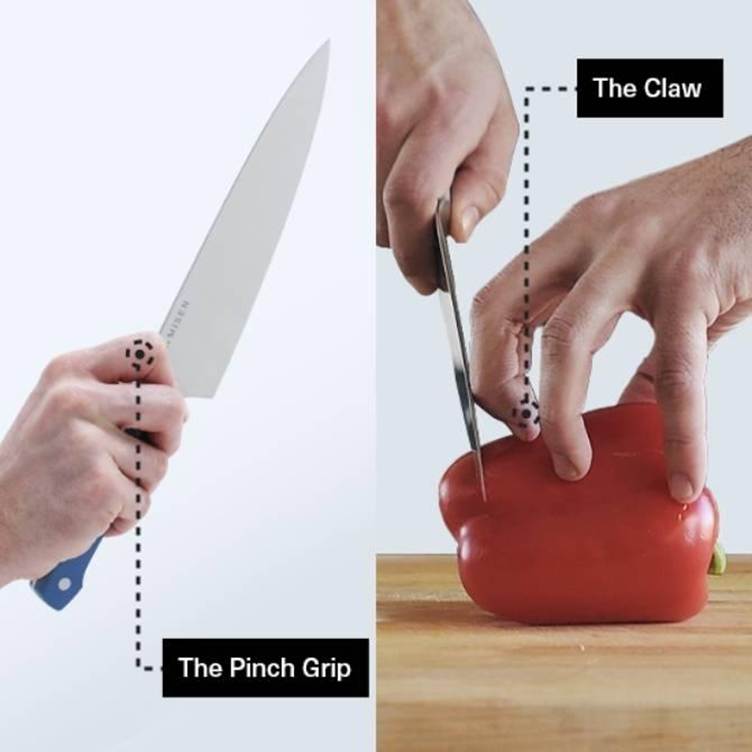
Use a pinch grip:
Pinch the blade near the handle.
Use your non-cutting hand in a claw shape to protect fingers.
This improves control dramatically.
Knife Care: How to Make Your Knife Last Years
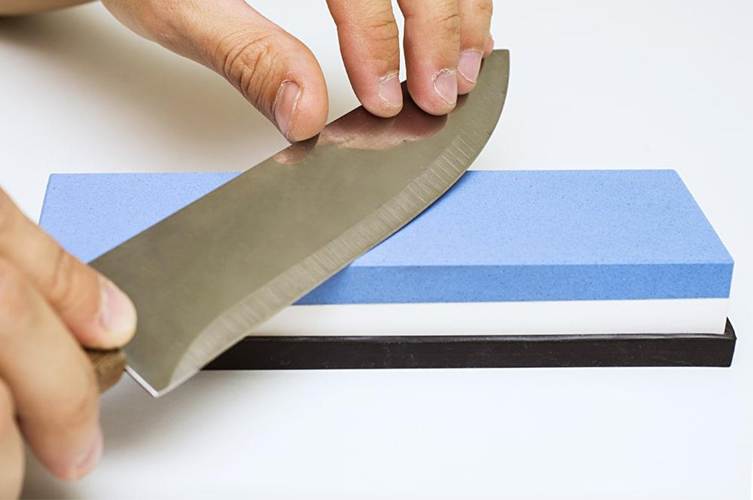
Hand wash only
Dishwashers damage blades.
Use wooden boards
Avoid glass or stone cutting boards.
Sharpen regularly
Use whetstones or professional sharpening services.
Store properly
Use:
- Knife blocks
- Magnetic strips
- Blade guards
Dry immediately
Especially important for carbon steel knives.
Common Knife Mistakes
- Buying giant knife sets
- Choosing style over comfort
- Never sharpening knives
- Using wrong cutting surfaces
- Storing knives loosely in drawers
- Putting knives in dishwashers
- Buying expensive knives too early
The Only 3 Knives Most Home Cooks Need
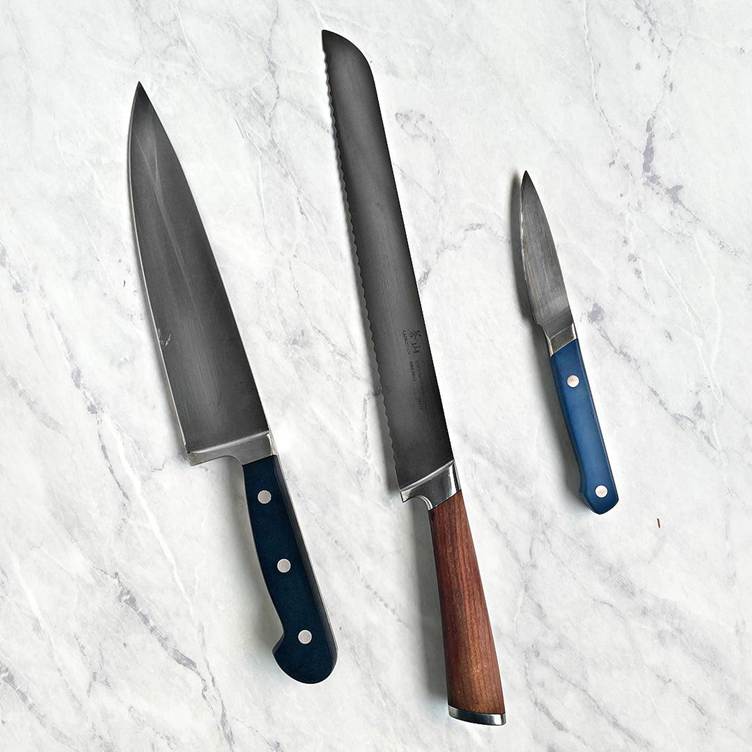
For most kitchens:
- Chef knife
- Paring knife
- Bread knife
That’s it. Everything else is optional.
Final Thoughts
Great cooking starts with great prep.
And great prep starts with understanding your knives—not owning the most expensive ones.
When you choose the right blade, learn proper care, and sharpen regularly, cooking becomes smoother, faster, and far more enjoyable.
That’s what The Curious Wok is all about: Helping you master the craft behind better cooking.