There are few cities in the world where food feels as alive as it does on the streets.
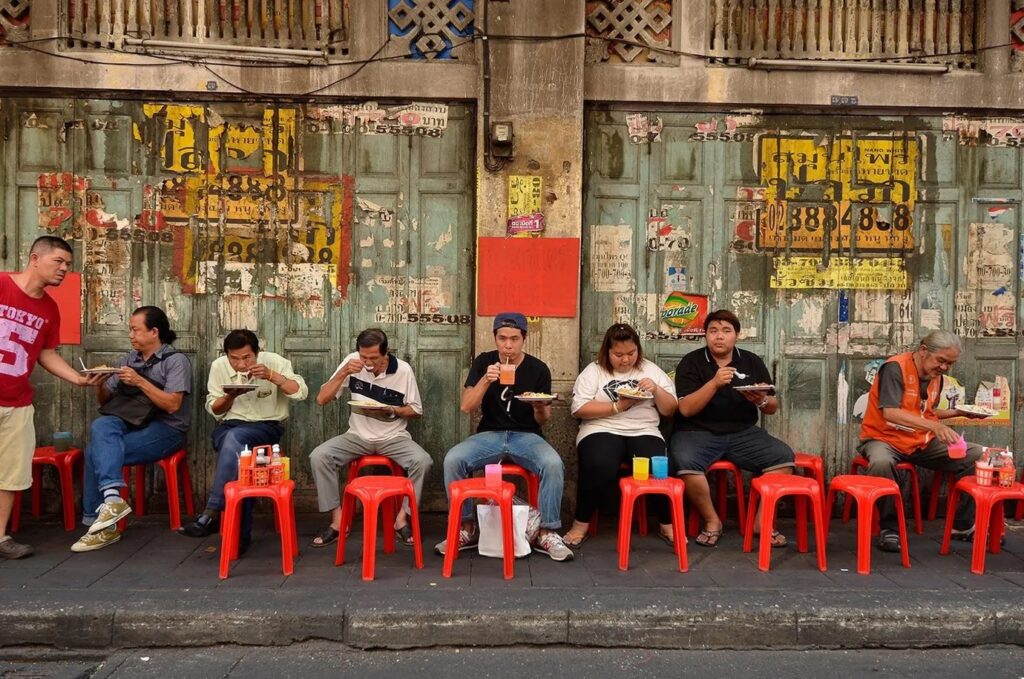
In Bangkok (BKK) and Mumbai (BOM), eating isn’t merely a necessity—it is part of the city’s rhythm. The streets hiss, sizzle, steam, and smoke from morning until late at night. Office workers grab quick lunches standing beside carts. Students snack while commuting. Families gather around plastic tables. Tourists chase famous stalls while locals quietly return to the same vendors they’ve trusted for years.
Yet despite their shared love for street food, Bangkok and Mumbai tell very different culinary stories.
One is built around wok flames, noodles, and balancing sweet, sour, salty, and spicy flavours.
The other thrives on frying pans, tawas, chutneys, spices, and the endless ingenuity of turning simple ingredients into unforgettable snacks.
Let’s walk the streets of both cities.
Bangkok: The Kingdom of the Cart
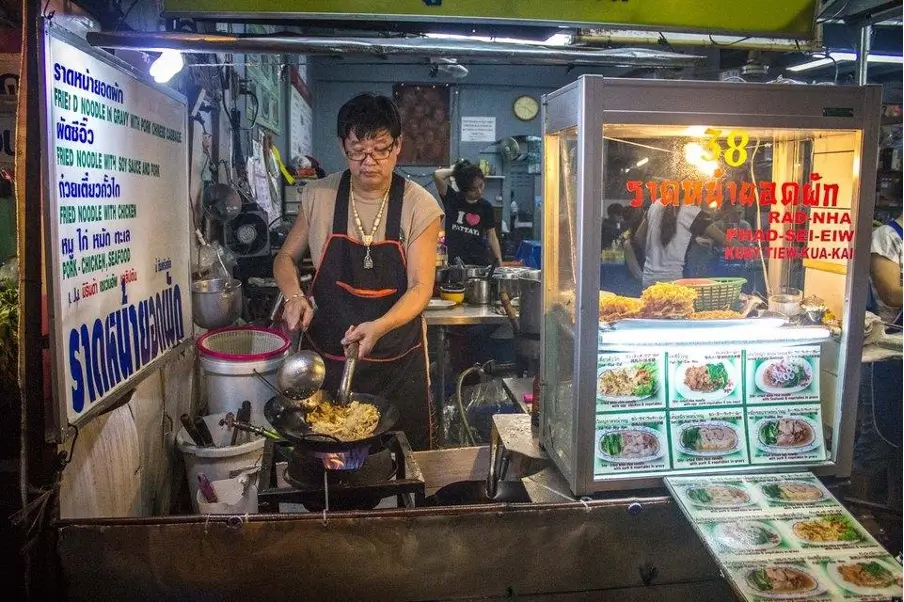
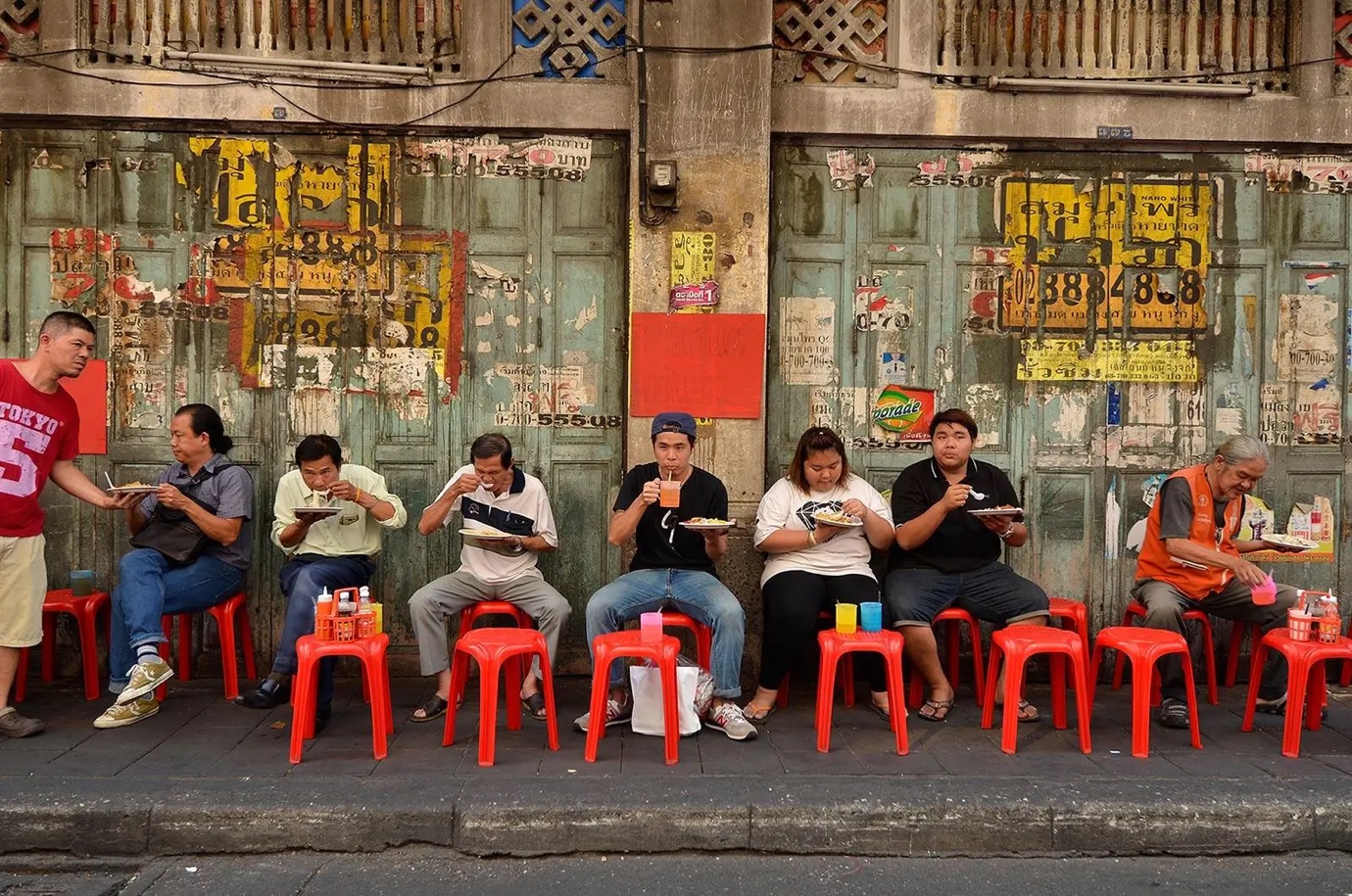
Bangkok’s street food scene often appears chaotic at first glance—crowded sidewalks, sizzling woks, plastic stools spilling onto pavements, and a constant stream of hungry customers. Yet beneath that energy lies a surprising sense of order.
A defining feature of Bangkok’s street food culture is specialization. Many vendors dedicate themselves to a single dish, preparing it day after day, year after year. One stall may serve nothing but boat noodles. Another focuses exclusively on moo ping—charcoal-grilled pork skewers. A third might spend decades refining a single bowl of tom yum noodles.
This relentless focus creates something remarkable: consistency. When a vendor cooks the same dish thousands of times each month, mastery becomes inevitable. Every bowl, every skewer, every plate reflects years of repetition and refinement.
Walk through Bangkok’s streets and you’ll encounter an endless parade of classics:
• Pad Thai
• Boat Noodles
• Som Tam (green papaya salad)
• Moo Ping (grilled pork skewers)
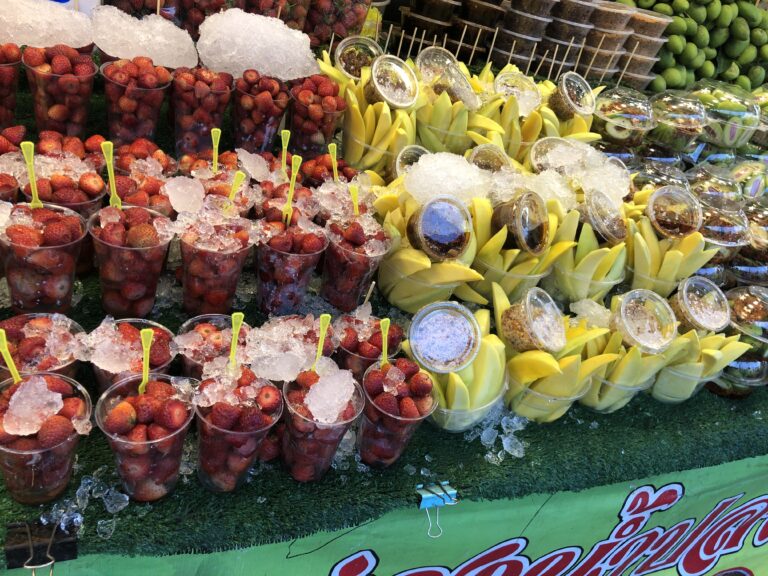
• Mango Sticky Rice
• Fried Chicken
• Oyster Omelettes
• Tom Yum Noodles
What makes Bangkok especially fascinating is that much of its street food is designed as a complete meal rather than a quick snack. A single bowl often delivers everything you need—protein, noodles or rice, fresh herbs, aromatic broth, acidity, heat, and texture—all carefully balanced in one satisfying serving.
In Bangkok, the street isn’t just where people snack. It’s where they eat breakfast, lunch, dinner, and sometimes their most memorable meal of the day.
Mumbai: The City That Turned Snacks into a Culture
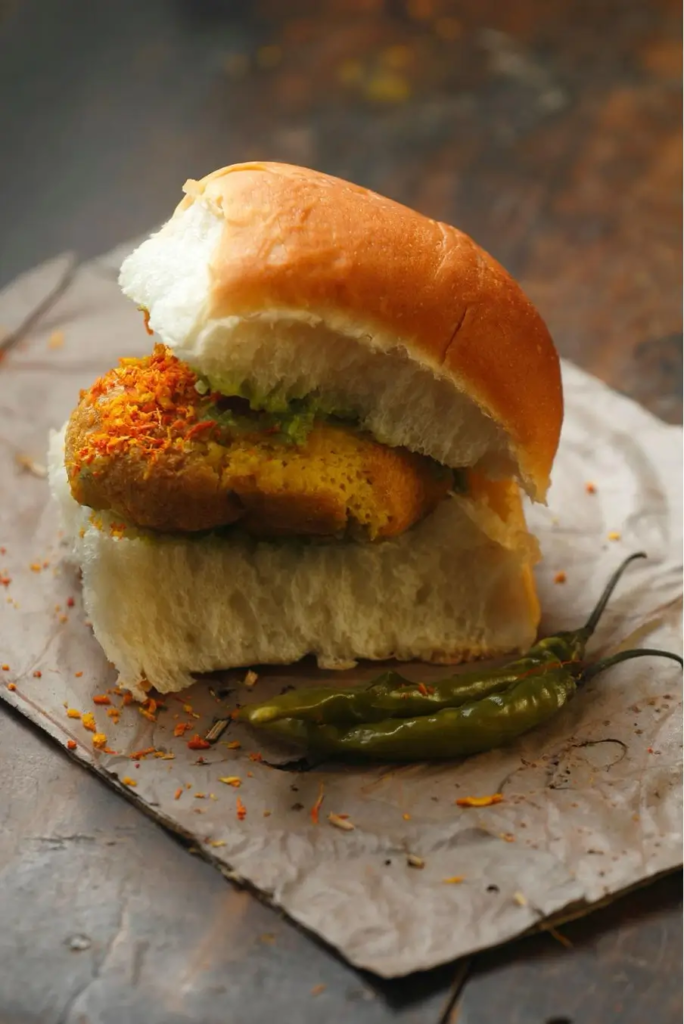
Mumbai’s street food tells the story of a city built on movement.
For generations, daily wage labourers, mill workers, migrants, traders, office-goers, and commuters have relied on the streets for quick, affordable meals. In a city where time is always in short supply, food evolved to be practical above all else—easy to eat, easy to carry, and satisfying enough to fuel a long day.
The result is a street-food culture defined by four simple principles:
• Affordable
• Portable
• Filling
• Fast
Unlike Bangkok, where many street dishes are complete meals, Mumbai’s greatest contributions often began as snacks. Yet these humble creations have transcended their origins to become cultural icons in their own right.
Walk through the city’s bustling streets and you’ll find an irresistible lineup of favourites:
• Vada Pav
• Pav Bhaji
• Bhel Puri
• Sev Puri
• Dabeli
• Misal Pav
• Tawa Pulao
• Keema Pav
• Frankie Rolls
What makes Mumbai’s street food so distinctive is its love of contrast. Every dish is built around layers of flavour and texture.
Crunchy meets soft.
Sweet meets spicy.
Tangy meets buttery.
A single bite of bhel puri can deliver puffed rice, sev, onions, chutneys, fresh herbs, and spices all at once—a riot of textures and flavours that somehow comes together in perfect harmony.
Where Bangkok often strives for balance and precision, Mumbai embraces boldness and contrast. The city’s street food doesn’t whisper; it announces itself with every bite.
The Soundtrack of the Streets
Street food isn’t experienced through taste alone.
It’s heard.
Before the first bite reaches your mouth, the city has already begun introducing itself through sound.
Bangkok Sounds Like:
• The roar of a wok meeting intense heat
• Ladles striking metal pots in rapid rhythm
• Charcoal grills crackling beneath skewers of moo ping
• Scooters weaving through narrow Soi’s
• Vendors calling out orders above the bustle of the evening crowd
The soundtrack is fast, energetic, and remarkably synchronized—a city cooking at full speed.
Mumbai Sounds Like:
• Local trains rumbling in the distance
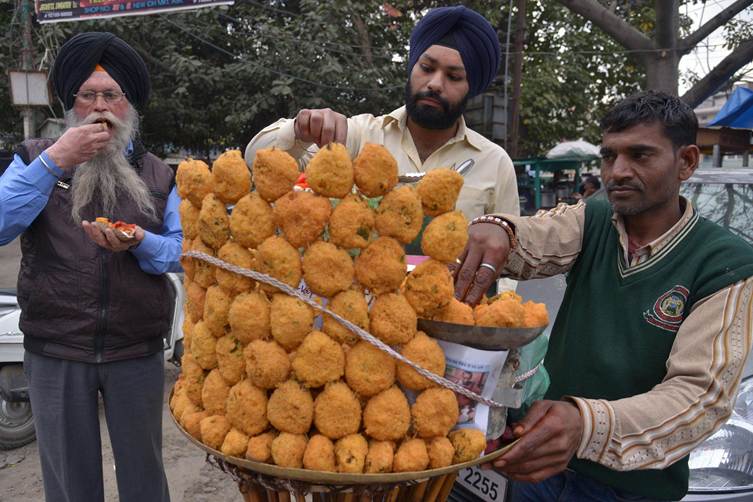
• Vendors shouting orders across busy pavements
• Tawas scraping as pav soaks up melting butter
• Pressure cookers hissing and whistling
• A chorus of horns that somehow never fades into the background
It’s louder, messier, and wonderfully relentless—much like the city itself.
Each place has its own culinary soundtrack.
And somehow, the food feels inseparable from those sounds.
A bowl of noodles in a silent room would never quite taste like Bangkok.
A vada pav without the hum of Mumbai traffic would somehow feel incomplete.
Because the streets don’t just serve the food.
They become part of the recipe.
Rice vs Pav: The Foundation of the Street
Perhaps the most telling difference between Bangkok and Mumbai can be found in the simplest part of the meal: the carbohydrate.
Bangkok
In Bangkok, rice is everywhere.
Not just steamed rice, but rice in countless forms:
• Jasmine rice
• Sticky rice
• Rice noodles
• Rice porridge
• Rice paper
Rice isn’t merely an accompaniment to the meal—it is the meal’s foundation. It anchors everything from quick breakfasts to late-night noodle bowls, shaping the city’s street food culture in ways both subtle and obvious.
Whether it’s a bowl of boat noodles or a serving of mango sticky rice, Bangkok’s streets are built on rice.
Mumbai
Mumbai, meanwhile, runs on pav.
This humble bread roll, introduced through Portuguese influence and later embraced by the city, became one of the most important ingredients in Mumbai’s culinary identity.
You’ll find it everywhere:
• Vada Pav
• Pav Bhaji
• Misal Pav
• Keema Pav
• Bhurji Pav
What began as an inexpensive and practical way to feed a growing workforce evolved into an icon of the city’s food culture.
Few cities in the world have built such a rich and diverse street-food tradition around a single bread roll.
If Bangkok’s streets are powered by rice, Mumbai’s are fuelled by pav.
The Condiment Wars
Bangkok and Mumbai may differ in ingredients, techniques, and flavours, but they share one important belief:
The meal isn’t finished when it leaves the vendor’s hands.
In both cities, the final act belongs to the eater.
Bangkok’s Flavour Arsenal
A typical table might hold:
• Fish sauce
• Chili flakes
• Vinegar-soaked chilies
• Sugar
• Fresh herbs
A bowl of noodles arrives balanced, but rarely untouched. Diners tweak sweetness, add heat, brighten the broth with vinegar, or scatter fresh herbs on top until the dish tastes exactly the way they like it.
Mumbai’s Flavour Arsenal
On Mumbai’s streets, customization comes in a different form:
• Green chutney
• Tamarind chutney
• Garlic masala
• Fried Chillies
• Dry spice mixes
• Fresh onions and lemon
A squeeze of lime, an extra spoonful of garlic chutney, or a generous dusting of masala can completely transform a plate of chaat or a vada pav.
In both cities, condiments are more than accompaniments—they’re tools of self-expression.
The vendor creates the foundation.
The diner adds the finishing touches.
And somewhere between the two, the perfect bite emerges.
The Philosophy Behind the Plate
The more time you spend exploring the streets of Bangkok and Mumbai, the more you realize that the differences go beyond ingredients or recipes.
They reflect two distinct approaches to feeding a city.
Bangkok’s Philosophy
Master one dish.
Cook it every day.
Refine it over years—sometimes generations.
Serve it with unwavering consistency.
Whether it’s a bowl of boat noodles, a plate of Pad Thai, or a serving of mango sticky rice, Bangkok’s street food culture is built on specialization and repetition. Excellence comes from doing the same thing thousands of times until it becomes second nature.
Mumbai’s Philosophy
Start with simple ingredients.
Adapt them creatively.
Layer flavours, textures, and condiments.
Reinvent them endlessly.
Mumbai’s street food thrives on innovation. The same pav can become a vada pav, a pav bhaji, a keema pav, or a bhurji pav. Familiar ingredients are constantly reimagined to create something new, exciting, and unmistakably local.
Neither philosophy is superior.
One values mastery through focus.
The other celebrates creativity through adaptation.
Both are products of the cities that shaped them—and both have produced some of the world’s most beloved street food.
What They Have in Common
For all their differences, Bangkok and Mumbai share the same street-food spirit.
Both cities remind us that great food has never been dependent on luxury.
It doesn’t require elegant dining rooms.
It doesn’t need white tablecloths, tasting menus, or months-old reservations.
Sometimes, all it takes is:
• A cart
• A stove
• A family recipe
• A steady stream of hungry customers
And perhaps that’s why these two cities continue to attract food lovers from every corner of the world.
Because on the streets of Bangkok and Mumbai, food feels wonderfully democratic.
The office worker stands beside the tourist.
The student queues alongside the business executive.
Everyone waits for their turn.
Everyone trusts the vendor.
And everyone is searching for that one legendary stall that locals quietly swear by.
The dishes may be different. The languages may change. The flavours may come from opposite ends of Asia.
But the feeling is remarkably familiar.
A crowded pavement.
A vendor working at astonishing speed.
And the shared belief that some of life’s best meals are found not behind restaurant doors, but out on the street.
Where the Locals Queue
Every great street-food city has its legends—vendors and stalls that have become as famous as the dishes they serve.
While thousands of lesser-known carts feed the cities every day, a handful of names have achieved near-mythical status.
Bangkok
Jeh O Chula
Famous for its Mama Tom Yum Noodles, Jeh O Chula has become one of Bangkok’s most talked-about street-food destinations. Long queues are part of the experience, with diners willing to wait hours for a bowl that perfectly captures Bangkok’s love of bold, balanced flavours.
Thip Samai
Often referred to as Bangkok’s most famous Pad Thai restaurant, Thip Samai helped elevate a humble street-food staple into a global icon. Its charcoal-fired noodles and signature wrapped omelette version have attracted everyone from locals to international food pilgrims.
Jay Fai
Bangkok’s most famous and first street-food vendor to earn a Michelin Star in 2018, Jay Fai transformed a modest roadside operation into a culinary institution. Known for her oversized crab omelettes and signature goggles, she proved that street food can stand shoulder to shoulder with fine dining.
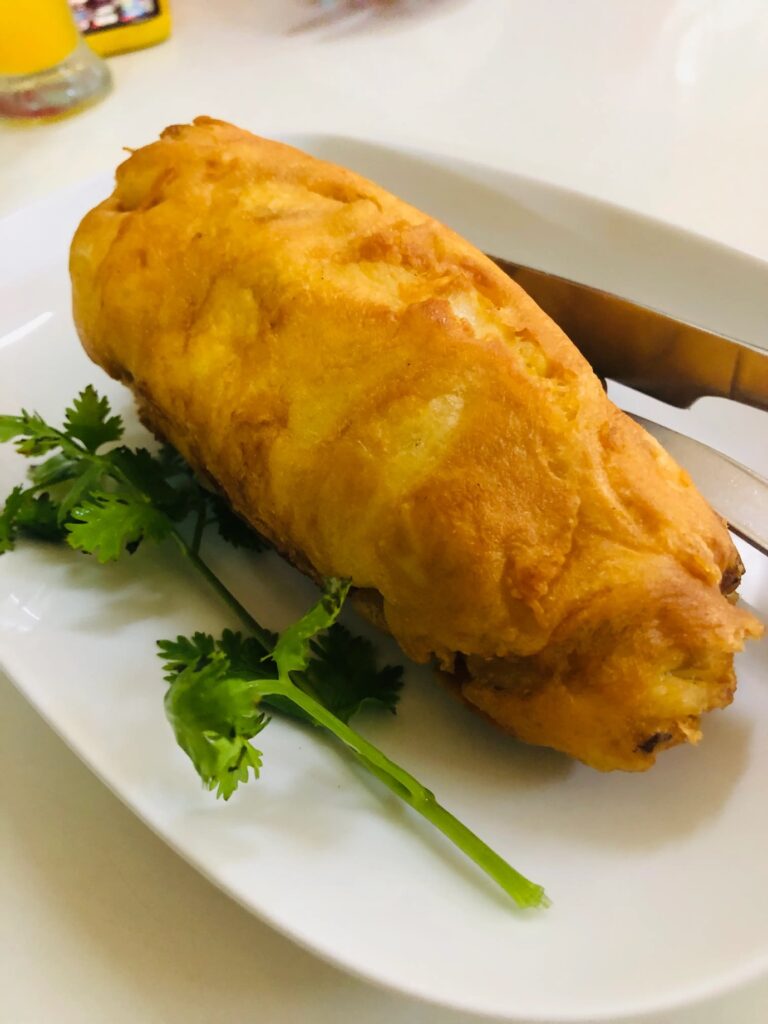
This place may not have tables, air-conditioning, or a fancy dining room. What it does have is a row of plastic stools, decades of loyal customers, and some of Bangkok’s most beloved curry rice. In a city obsessed with specialization, Jek Pui proves that a simple plate of curry and rice can become legendary.
This iconic family-run eatery serves delectable mango sticky rice made to a recipe that has been handed down the generations for 80 years. Their preparation is masterful: the flavour of the steamed sweetened sticky rice is enhanced by the richness of coconut milk.
Mumbai
Ashok Vada Pav
For many Mumbaikars, Ashok Vada Pav, started by Ashok Vaidya in the 1960s is more than a snack stall—it’s a city landmark. Ashok’s Vada Pav is particularly famous for introducing chura—the crispy, flavourful bits of gram flour batter (besan) left over in the frying oil. Added to the pav along with the crispy potato fritter (batata vada) and three signature chutneys (sweet, spicy, and tangy), it provides an iconic crunch and flavour.
Aram Vada Pav
Established in 1939, by Shrirang Tambe, Aram is one of Mumbai’s oldest and most iconic food establishments. Located opposite the Chhatrapati Shivaji Maharaj Terminus (CSMT), it evolved from a milk cooperative into a beloved Maharashtrian snack destination, renowned for popularizing the classic, crispy batata vada encased in a soft pav.
Sardar Pav Bhaji
Known for its unapologetically rich, butter-laden pav bhaji, Sardar has become a rite of passage for visitors to Mumbai. Love it or find it excessive, it’s impossible to ignore.
Pancham Puriwala
Long before Mumbai became synonymous with vada pav, establishments like Pancham Puriwala, started as a humble stall by Pancham Das Sharma in 1848 were feeding generations of mill workers and traders, proving that the city’s street-food story stretches back much further than its most famous snack.
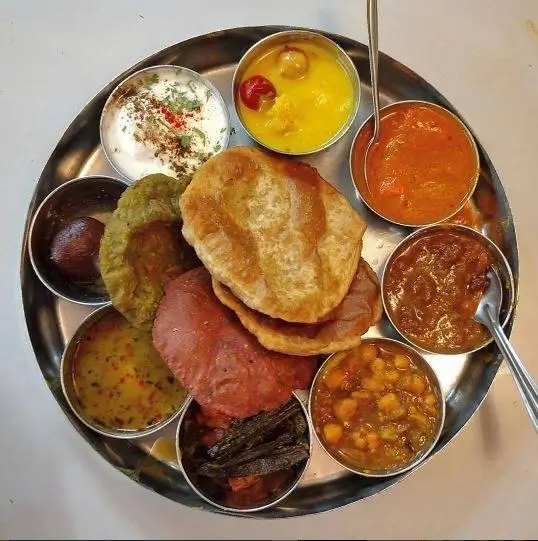
Elco Veg Restaurant
A pioneer in bringing hygiene and consistency to one of India’s most beloved street foods, Elco helped turn pani puri into an experience that attracts both locals and tourists.
More Than Just Food
What makes these places special isn’t simply the recipes.
It’s the trust they’ve earned.
The queues.
The stories.
The generations of customers who keep returning.
In Bangkok and Mumbai alike, the most successful street-food vendors become part of the city’s identity—places people recommend before they’ve even finished telling you where to stay.
The Curious Wok Take
If Bangkok’s street-food heroes are masters of specialization, Mumbai’s legends are masters of reinvention.
One city perfects a bowl of noodles for generations.
The other transforms potatoes, pav, chutneys, and spices into an endless universe of snacks.
Yet whether you’re standing outside Jay Fai in Bangkok or waiting for a fresh vada pav in Dadar, the experience feels strangely familiar:
A queue.
A hungry crowd.
A vendor moving with astonishing speed.
And the promise that something extraordinary is about to arrive on a very ordinary plate.
— The Curious Wok 🍜🌶️🥖